
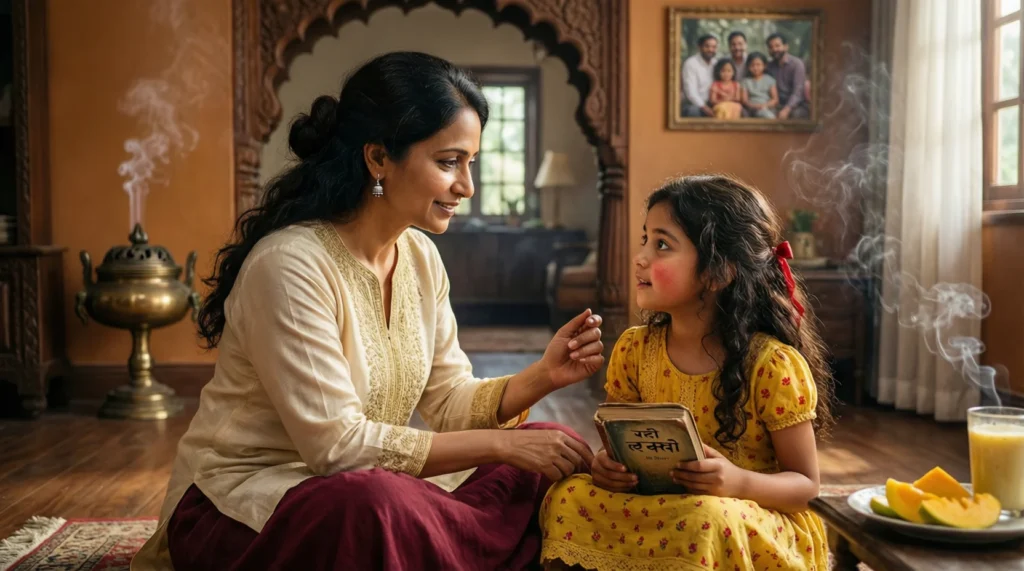
Kanna in Indian languages is a versatile word with different meanings depending on the language and context.
Most commonly, it is used as a term of affection meaning “dear,” “beloved,” or “darling,” especially in South Indian languages like Tamil, Telugu, and Malayalam. In some North Indian and Punjabi contexts, a similar-sounding word refers to the ear, while in names and poetry, Kanna often symbolizes love, devotion, or Lord Krishna.
If you have ever heard someone say “Kanna” in an Indian movie, song, or conversation and wondered what it really means, you are not alone. This small word carries big emotional and cultural weight, and its meaning changes beautifully across regions.
Indian words often travel across languages, movies, music, and social media, picking up new shades of meaning along the way. Kanna is one of those words that feels warm and familiar even if you do not fully understand it yet.
You might have come across kanna in a South Indian love song, a mother calling her child, or even as part of a baby name. At the same time, you may have heard it used in a completely different sense in North India or Pakistan, which makes the confusion understandable.
This article breaks it all down in a clear, friendly way. We will explore what kanna means in Indian languages, where it comes from, how people actually use it in real life, and how its tone changes based on context.
What Does Kanna Mean in Indian Languages?
The meaning of kanna depends heavily on the language, region, and emotional context.
At a broad level, kanna can mean:
- A term of affection like dear, darling, or beloved
- A poetic or devotional reference to Lord Krishna
- A body part meaning ear in some North Indian or Punjabi-influenced contexts
- A personal name or nickname with emotional or religious meaning
Understanding kanna requires looking at it language by language.
Meaning of Kanna by Language and Region
Kanna in Tamil
In Tamil, kanna is one of the most affectionate words you can hear.
It usually means:
- Dear
- Darling
- Beloved one
It is commonly used:
- By parents when talking to their children
- Between lovers
- In songs, movies, and poetry
Example context
A mother saying “Kanna, saptiya?” is gently asking “Dear, have you eaten?”
The tone is warm, loving, and caring.
Kanna in Telugu
In Telugu, kanna also carries a deep emotional meaning.
Common interpretations include:
- Beloved
- Dear child
- One who is precious
It is often used:
- When elders address younger family members
- In emotional or dramatic dialogue
- In devotional and romantic songs
Here, kanna feels intimate and emotionally rich, never harsh or insulting.
Kanna in Malayalam
In Malayalam, kanna is very similar to Tamil usage.
It often means:
- Dear one
- Sweetheart
- Loved child
Parents and grandparents frequently use it while speaking to children, especially in tender moments.
Kanna as a Reference to Lord Krishna
Across many Indian languages, Kanna is closely associated with Lord Krishna.
This connection comes from:
- Ancient poetry
- Bhakti or devotional traditions
- Classical and film music
In this sense, Kanna symbolizes:
- Divine love
- Playfulness
- Protection and devotion
That is why you will often hear phrases like “Kanna Krishna” in songs and prayers.
Kanna in Hindi, Punjabi, and Urdu Contexts
In North Indian or Punjabi-influenced speech, a similar-sounding word can relate to the ear.
For example:
- Kan means ear in Hindi and Urdu
- Kanna can appear as a regional or colloquial variation
In Punjabi:
- Kanna may refer to the ear or ear-related expressions
This usage is neutral and descriptive, not emotional.
Table 1: Meaning of Kanna Across Indian Languages
| Language | Meaning of Kanna | Emotional Tone | Common Usage |
|---|---|---|---|
| Tamil | Dear, darling, beloved | Warm and affectionate | Family, romance, songs |
| Telugu | Beloved, precious one | Emotional and caring | Elders, films, poetry |
| Malayalam | Dear child, sweetheart | Loving and gentle | Family conversations |
| Devotional usage | Lord Krishna | Spiritual and poetic | Bhajans, prayers |
| Punjabi or Hindi context | Ear or related term | Neutral | Everyday speech |
Origin and Cultural Background of Kanna
The affectionate meaning of kanna has roots in Dravidian languages, particularly Tamil and Telugu. Over centuries, the word evolved from everyday speech into poetry, cinema, and devotional language.
Its association with Krishna strengthened its emotional and spiritual value. When people say kanna in this sense, they are not just expressing affection but also invoking purity, innocence, and deep love.
Cinema and music played a huge role in popularizing kanna across India. Even people who do not speak Tamil or Telugu often recognize the word because of movies and viral songs.
How Kanna Is Used in Real Life
Friendly and Loving Usage
This is the most common usage.
Examples:
- A mother calling her child with a smile
- A partner speaking softly to their loved one
- A song lyric expressing devotion or romance
Tone
Gentle, affectionate, emotionally warm
You might even hear playful elongation like “Kannaaa” to add extra sweetness 😊
Neutral Usage
In contexts where kanna means ear, the tone is neutral.
Examples:
- Describing pain or injury
- Casual conversation
Tone
Matter of fact, no emotional layer
Is There a Negative or Dismissive Use?
Generally, kanna is not used negatively in Indian languages. Unlike some slang terms, it does not usually carry sarcasm or insult.
However, tone always matters. Saying it sarcastically could change the feeling, but that depends on delivery, not the word itself.
Table 2: Examples of Kanna in Context
| Sentence | Meaning | Tone |
|---|---|---|
| Kanna, inga vaa | Dear, come here | Loving |
| En kanna romba nalla irukku | My dear is very good | Proud and affectionate |
| Kanna vali irukku | My ear hurts | Neutral |
| Kanna Krishna paatu | Song about Lord Krishna | Devotional |
Comparison With Related Terms
Kanna is often compared with other affectionate Indian words.
Kanna vs Amma
- Kanna refers to the loved one
- Amma means mother
Both are emotional, but amma is relational while kanna is descriptive and affectionate.
Kanna vs Chellam
Chellam also means dear or darling in Tamil.
Difference:
- Chellam emphasizes cuteness
- Kanna emphasizes emotional closeness and love
They are often used together in speech.
Kanna vs Beta
Beta in Hindi and Urdu means child or son.
Difference:
- Beta is more formal and widespread
- Kanna feels more poetic and region-specific
Table 3: Kanna Compared With Similar Terms
| Term | Language | Meaning | Usage Style |
|---|---|---|---|
| Kanna | Tamil, Telugu | Dear, beloved | Emotional, poetic |
| Chellam | Tamil | Darling, cute one | Playful |
| Beta | Hindi, Urdu | Child, son | Polite, family |
| Krishna | Sanskrit origin | Divine name | Religious |
Alternate Meanings and Name Usage
Kanna is also commonly used as:
- A baby name
- A nickname
- Part of longer names
As a name, it usually reflects:
- Love
- Devotion
- Cultural pride
Parents often choose it for its soft sound and positive emotional meaning.
Polite and Professional Alternatives
If you are writing or speaking in a professional context and want to avoid overly emotional language, alternatives may include:
- Dear
- Respected
- Mr or Ms followed by name
Kanna is best kept for informal, emotional, or cultural settings.
FAQs
What does kanna mean in India exactly?
Kanna means different things depending on the language. In South India, it usually means dear or beloved. In some North Indian contexts, it can relate to the ear.
Is kanna a Hindi word?
No, kanna is not originally a Hindi word. Its affectionate meaning mainly comes from Tamil, Telugu, and Malayalam.
Is kanna a religious word?
It can be. Kanna is often used as a poetic name for Lord Krishna, especially in devotional songs.
Can kanna be used for all genders ?
Yes. Kanna is gender neutral and can be used for anyone you care about.
Is kanna formal or informal?
It is informal and emotional. It is not usually used in professional settings.
Why do Indian movies use the word kanna so often?
Because it expresses emotion quickly and beautifully. It connects deeply with family, love, and devotion.
Does kanna ever have a bad meaning?
No. Kanna is generally positive. Any negative tone would come from sarcasm, not the word itself.
Can kanna be used as a baby name?
Yes. Many parents use Kanna as a given name or nickname due to its affectionate and spiritual meaning.
Conclusion:
Kanna is a small word with a big heart. In Indian languages, especially in the South, it represents love, care, devotion, and emotional closeness. Whether it is a mother calling her child, a song praising Krishna, or a lover expressing affection, kanna always carries warmth.
At the same time, its meaning shifts across regions, reminding us how rich and layered Indian languages are. Understanding kanna is not just about translation, but about feeling the emotion behind it.
If you hear someone call you kanna, take it as a compliment. It means you matter.
Read More Related Articles:
- IMY Meaning in Texts: Step-by-Step Guide With Examples (2026)
- PMU Mean in Texts: Answer Might Surprise You (2026)
- LMC Meaning in Text: What It Stands For and How to Use It (2026)

Megan Foster is a thoughtful and creative content creator at Meanzy.com with a strong curiosity for language and communication. Known for her clarity and attention to detail, she simplifies confusing slang, acronyms, and modern terms into easy, relatable meanings readers can trust.