
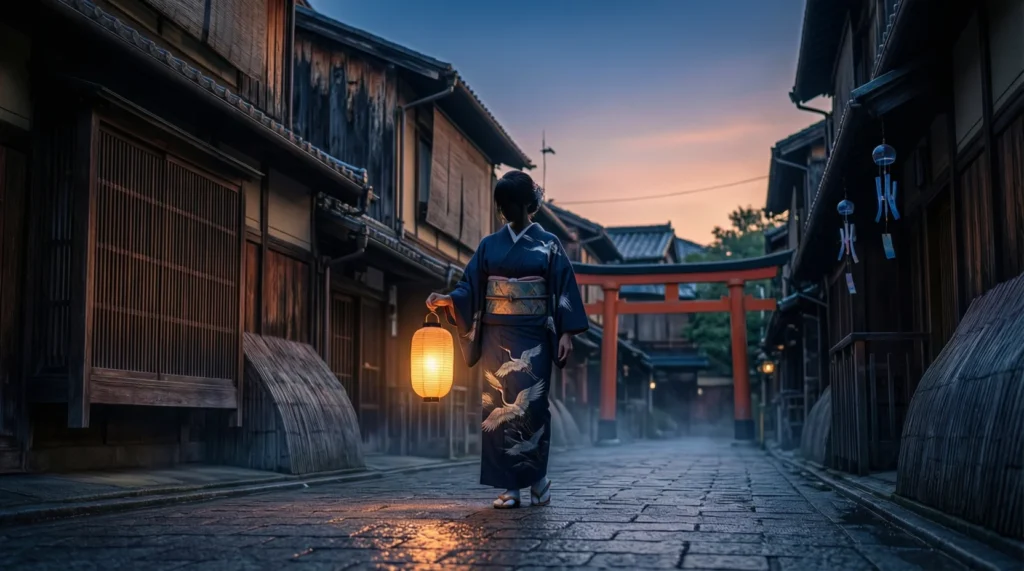
Kage (影 / 陰) in Japanese most commonly means “shadow,” but depending on the kanji and context, it can also refer to shade, hidden influence, secrecy, reflection, or someone working behind the scenes.
Kage is a short, powerful Japanese word that carries layers of meaning far beyond its simple translation. From everyday conversations to anime, history, and symbolism, kage appears everywhere in Japanese language and culture. Understanding it properly helps you grasp not only vocabulary, but also how Japanese people think about presence, absence, power, and subtlety.
At first glance, kage seems simple. Many learners are told it just means “shadow.” But in Japanese, shadows are never just physical. They can be emotional, symbolic, political, or even spiritual.
You will hear kage used to describe:
- A literal shadow on the ground
- Someone’s hidden efforts or sacrifices
- A quiet supporter who avoids attention
- Darkness or concealment
- Authority operating unseen
This depth is why kage is so popular in anime, manga, history, and poetry. Let’s break it down step by step so you understand exactly what kage means, how it is used, and why it matters.
The Core Meaning of Kage in Japanese
The most common and neutral meaning of kage is shadow.
Basic meanings include:
- A shadow cast by light
- Shade or darkness
- A reflected or vague outline
- Something hidden or unseen
In English, we might say “in the shadows.” Japanese expresses that idea very naturally with kage.
Kanji Forms of Kage and How Meaning Changes
One reason kage has multiple meanings is that it can be written using different kanji. Each kanji adds nuance.
Table: Kanji Variations of Kage
| Kanji | Meaning | Nuance | Common Usage |
|---|---|---|---|
| 影 | Shadow, reflection | Visual or symbolic shadow | Daily speech, writing |
| 陰 | Shade, darkness, hidden | Emotional or hidden presence | Formal or literary use |
| 景 | Scene or view | Indirect reading related to scenery | Less common |
Most modern usage uses 影, especially in conversation, media, and pop culture.
Origin and Cultural Background of Kage
The concept of kage comes from traditional Japanese aesthetics. Japanese culture values subtlety, indirectness, and what is not immediately visible.
In classical literature and philosophy:
- Light represents clarity and openness
- Shadow represents depth, restraint, and quiet strength
There is even a famous Japanese essay titled In Praise of Shadows by Jun’ichirō Tanizaki, which explores how shadow and darkness shape Japanese beauty and design.
So when Japanese speakers use kage, it often implies more than absence of light. It suggests quiet presence and meaning beneath the surface.
Real World Usage of Kage in Modern Japanese
You will encounter kage in many everyday and cultural situations.
Common real world uses:
- Describing physical shadows
- Talking about emotional states
- Referring to hidden contributors
- Explaining influence without visibility
- Naming titles, roles, or organizations
For example, politicians, assistants, or mentors are often described as working “in the kage” if they guide events without public recognition.
Tone and Emotional Meaning of Kage
The tone of kage depends heavily on context. It can feel neutral, poetic, respectful, or slightly negative.
Table: Tone Variations of Kage
| Tone | Meaning | Example Context |
|---|---|---|
| Neutral | Literal shadow | Describing light and objects |
| Poetic | Emotional depth | Literature or songs |
| Respectful | Quiet support | Praising unseen effort |
| Slightly negative | Darkness or secrecy | Suspicion or mystery |
Unlike some words for darkness, kage is rarely harsh or aggressive. It usually feels soft and indirect.
Example Sentences with Context
Here are natural examples showing how kage works in different situations.
Friendly or Neutral Tone
彼の後ろに木の影がある
There is a tree’s shadow behind him
今日は影が短いですね
The shadows are short today
Respectful or Positive Tone
彼女はチームを影で支えている
She supports the team behind the scenes
影の努力が成功につながった
Hidden effort led to success
Slightly Negative or Mysterious Tone
彼の笑顔には影がある
There is a shadow in his smile
その事件には影が残っている
A shadow still lingers over that incident
Kage in Anime, Manga, and Pop Culture
Kage is extremely popular in Japanese media.
You will often see it in:
- Character names
- Organization titles
- Special abilities
- Metaphorical dialogue
A famous example is Hokage in Naruto, meaning “Fire Shadow,” which refers to a leader who protects the village, often from behind the scenes.
This reflects the cultural idea that true power does not always stand in the spotlight.
Comparison with Similar Japanese Words
Kage is not the only word related to darkness or shadow. Here’s how it compares.
Table: Kage vs Similar Terms
| Word | Meaning | Difference from Kage |
|---|---|---|
| Yami | Darkness | More heavy or ominous |
| Kurayami | Complete darkness | Stronger and literal |
| Hikage | Shade from sun | Physical and neutral |
| Ura | Hidden side | More social or emotional |
Kage is softer and more flexible than most of these.
Alternate Meanings and Extended Uses
Although shadow is the main meaning, kage can imply:
- Influence without visibility
- Reflection of the past
- Emotional burden
- Protection from behind
- A symbolic double or counterpart
In literature, someone’s kage might represent regret or unresolved emotion.
Polite or Professional Alternatives to Kage
In formal or professional writing, Japanese speakers may avoid poetic words and choose clearer expressions.
Professional alternatives include:
- 裏方 (urakata) meaning behind the scenes staff
- 支援者 (shiensha) meaning supporter
- 陰の存在 (kage no sonzai) meaning hidden presence
These sound more neutral and suitable for business or official contexts.
Common Phrases Using Kage
Some expressions using kage are widely understood.
影響 (eikyō)
Influence, literally shadow effect
影が薄い (kage ga usui)
Someone is unnoticed or ignored
影に隠れる (kage ni kakureru)
To hide in the shadows
FAQs
1. What does kage literally mean in Japanese?
It literally means shadow, shade, or reflection, depending on the context in which it’s used.
2. Is kage a common word in daily Japanese?
Yes, kage is a very common word and appears in both casual conversations and formal language.
3. Does kage always have a negative meaning?
No. While it can suggest darkness or something hidden, it’s often neutral or poetic, and sometimes even positive.
4. Is kage used more in writing or speech?
Kage is used equally in everyday speech and in written Japanese, including literature and media.
5. Why is kage popular in anime?
It symbolizes mystery, hidden power, secrecy, and quiet strength—themes that are very popular in anime storytelling.
6. What is the difference between kage and yami?
Kage is softer and more symbolic, while yami refers to deep darkness and feels heavier or more ominous.
7. Can kage describe emotions?
Yes. It can express emotional depth, subtle sadness, inner conflict, or hidden feelings.
8. Is kage polite to use in conversation?
Yes. It’s a neutral word and is not considered rude or impolite in normal situations.
Conclusion:
Kage is one of those Japanese words that feels simple but carries emotional and cultural weight. While it literally means shadow, it often points to what exists quietly beneath the surface.
Whether describing physical shade, hidden effort, emotional depth, or symbolic power, kage reflects a key idea in Japanese culture: not everything important stands in the light.
Understanding kage helps you read between the lines, appreciate subtle meaning, and connect more deeply with Japanese language and media.
Read More Related Articles:
- Redeem Meaning in the Bible: Spiritual Significance (2026)
- Como Estas Mean in English: Usage Explained (2026)
- Ceasing Meaning in the Bible: Scriptural Context (2026)

Megan Foster is a thoughtful and creative content creator at Meanzy.com with a strong curiosity for language and communication. Known for her clarity and attention to detail, she simplifies confusing slang, acronyms, and modern terms into easy, relatable meanings readers can trust.