
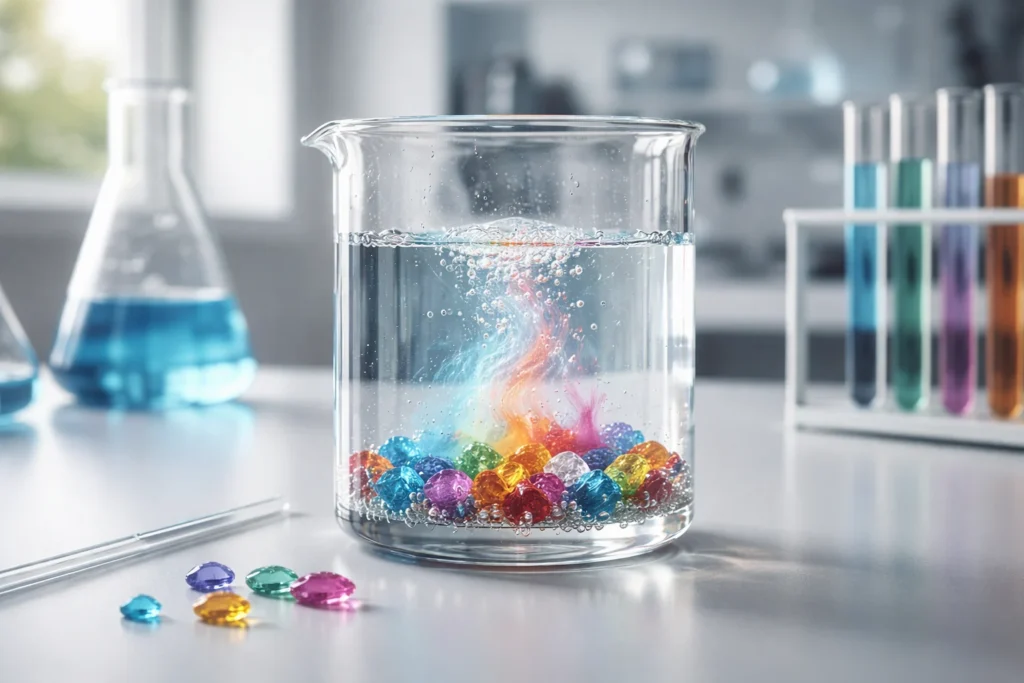
A solvent in science is a substance, usually a liquid, that dissolves another substance called a solute to form a solution. The solvent is typically present in the greater amount and determines the physical state of the solution.
Have you ever stirred sugar into tea and watched it disappear? Or seen nail polish vanish with remover? In both cases, you are witnessing a solvent in action.
Understanding what a solvent means in science is essential because solvents play a crucial role in chemistry, biology, medicine, environmental science, and even everyday household tasks. From water in your body to industrial chemical processes, solvents are everywhere.
In this comprehensive guide, we will explore the meaning of solvent, its origin, scientific importance, types, comparisons with related terms, real-life examples, alternate meanings, and frequently asked questions. By the end, you will have a complete and practical understanding of the concept.
What Does Solvent Mean in Science?
In scientific terms, a solvent is the component of a solution that dissolves the solute. It is usually a liquid, but it can also be a gas or solid in some cases.
For example:
• Water dissolving salt
• Alcohol dissolving ink
• Acetone dissolving nail polish
In each example, the substance doing the dissolving is the solvent.
Key Characteristics of a Solvent
• Present in larger quantity than the solute
• Determines the state of the solution
• Can dissolve solid, liquid, or gaseous substances
• Often but not always a liquid
Origin and Etymology of the Word Solvent
The word solvent comes from the Latin word solvere, which means “to loosen or untie.” This origin makes perfect sense because a solvent loosens or separates particles of a substance and spreads them evenly throughout a solution.
The term became widely used in scientific contexts during the development of modern chemistry in the 18th and 19th centuries. As chemistry advanced, especially through the work of scientists like Antoine Lavoisier, understanding substances and their interactions became more structured and systematic.
Today, the term solvent is common in laboratories, industries, healthcare, environmental science, and even financial discussions.
How Solvents Work in Chemistry
To understand what solvent means in science, you need to understand solutions.
A solution has two main parts:
• Solvent
• Solute
When the solute dissolves, its particles spread evenly throughout the solvent at the molecular level.
For example:
When salt dissolves in water, water molecules surround the salt ions and pull them apart. This process is called solvation. When water is the solvent, the process is specifically called hydration.
Types of Solvents in Science
Solvents are generally classified into two main categories based on their polarity.
1. Polar Solvents
Polar solvents have molecules with uneven charge distribution. They are excellent at dissolving ionic and polar substances.
Examples:
• Water
• Methanol
• Ethanol
Water is often called the universal solvent because it dissolves more substances than any other liquid.
2. Nonpolar Solvents
Nonpolar solvents have evenly distributed electrical charge. They dissolve nonpolar substances such as oils and fats.
Examples:
• Hexane
• Benzene
• Toluene
Table 1: Polar vs Nonpolar Solvents
| Feature | Polar Solvent | Nonpolar Solvent |
|---|---|---|
| Charge distribution | Uneven | Even |
| Dissolves | Ionic and polar compounds | Nonpolar compounds |
| Example | Water | Hexane |
| Intermolecular forces | Hydrogen bonding, dipole forces | London dispersion forces |
Common Examples of Solvents in Daily Life
Solvents are not just laboratory chemicals. You interact with them every day.
Everyday Examples
• Water in beverages
• Acetone in nail polish remover
• Alcohol in hand sanitizers
• Paint thinner in home renovation
• Gasoline in engines
Table 2: Real Life Solvent Examples
| Situation | Solvent | Solute | Result |
|---|---|---|---|
| Tea with sugar | Water | Sugar | Sweet solution |
| Cleaning nails | Acetone | Nail polish | Dissolved polish |
| Hand sanitizer | Alcohol | Germ components | Disinfection |
| Soft drinks | Water | Carbon dioxide | Carbonated drink |
Notice that in every case, the solvent is the substance doing the dissolving.
Solvent in Biological Systems
Water is the primary solvent in biological systems. In fact, life on Earth depends on it.
Inside your body:
• Blood plasma uses water as a solvent
• Nutrients dissolve in digestive fluids
• Oxygen and carbon dioxide dissolve in bodily fluids
Without water acting as a solvent, chemical reactions in cells would not occur efficiently.
Industrial and Scientific Applications of Solvents
Solvents are essential in manufacturing, research, and technology.
Major Uses
• Pharmaceutical production
• Chemical synthesis
• Paints and coatings
• Cleaning agents
• Extraction processes
• Laboratory experiments
In medicine, solvents help dissolve active ingredients in drugs. In industries, solvents help separate valuable compounds from raw materials.
Comparison: Solvent vs Solute vs Solution
Many students confuse these three terms. Let us clarify them clearly.
Table 3: Solvent vs Solute vs Solution
| Term | Meaning | Quantity | Example in Salt Water |
|---|---|---|---|
| Solvent | Substance that dissolves | Larger amount | Water |
| Solute | Substance being dissolved | Smaller amount | Salt |
| Solution | Homogeneous mixture formed | Combined result | Salt water |
Simple memory tip:
Solvent does the dissolving
Solute gets dissolved
Solution is the final mixture
Tone and Usage in Context
The word solvent in science is neutral and technical. It does not carry emotional tone.
Example in friendly tone
Water acts as a solvent, helping nutrients travel through your body 😊
Neutral scientific tone
Water is a polar solvent capable of dissolving ionic compounds.
There is no negative or dismissive tone associated with the scientific meaning.
Alternate Meaning of Solvent
Interestingly, solvent has another meaning outside science.
In finance, solvent means financially stable and able to pay debts.
Example
The company remains solvent despite economic challenges.
In this context, solvent means financially healthy, not dissolving anything.
Related Terms and Similar Concepts
Understanding related terms improves clarity.
Dissolve
To mix completely at the molecular level.
Miscible
Liquids that mix completely in all proportions, like alcohol and water.
Immiscible
Liquids that do not mix, like oil and water.
Aqueous Solution
A solution where water is the solvent.
Universal Solvent
A nickname for water because it dissolves many substances.
Why Is Water Called the Universal Solvent?
Water earns this title because of its polarity and hydrogen bonding abilities.
However, it is not truly universal. It cannot dissolve oils, fats, or nonpolar compounds. So the term is more of a descriptive nickname than a literal truth.
Solvent Safety and Environmental Concerns
Some solvents can be hazardous.
Examples:
• Benzene is toxic
• Industrial solvents may cause air pollution
• Improper disposal contaminates water
Green chemistry encourages the use of safer, environmentally friendly solvents.
FAQs
What does solvent mean in simple words?
A solvent is a substance that dissolves another substance to form a solution. Usually it is a liquid like water.
Is water always the solvent?
No. Water is a very common solvent, but other liquids like alcohol or acetone can also act as solvents.
Can a solid be a solvent?
Yes, though less common. In solid solutions like alloys, one metal can act as a solvent for another.
What is the difference between solvent and solution?
The solvent is the dissolving substance, while the solution is the final mixture formed after dissolving.
Why is water called the universal solvent?
Because it dissolves more substances than most other liquids due to its polar nature.
Are solvents dangerous?
Some solvents can be harmful or toxic, especially industrial chemicals. Proper handling is important.
What makes a good solvent?
A good solvent effectively dissolves a specific solute and is chemically stable under given conditions.
What does solvent mean in biology?
In biology, solvent usually refers to water, which dissolves nutrients, gases, and minerals in living organisms.
Conclusion
So, what does solvent mean in science?
A solvent is the substance that dissolves another substance to form a solution. It is usually present in greater quantity and determines the physical state of the mixture. From water in your body to industrial chemical production, solvents are fundamental to science and daily life.
Understanding solvents helps you grasp key chemistry concepts such as solutions, polarity, and molecular interactions. It also helps you recognize how science operates in cooking, medicine, cleaning, and environmental systems.
The next time you stir sugar into tea or use hand sanitizer, remember you are witnessing solvent action in real time.
Read More Related Articles:
- Hallowed Mean in the Bible: Biblical Significance (2026)
- What Does Pump Mean in the Gym? The Feeling Lifters Chase In 2026
- True Meaning of Carne Asada in English: It’s More Than Food For 2026

Megan Foster is a thoughtful and creative content creator at Meanzy.com with a strong curiosity for language and communication. Known for her clarity and attention to detail, she simplifies confusing slang, acronyms, and modern terms into easy, relatable meanings readers can trust.