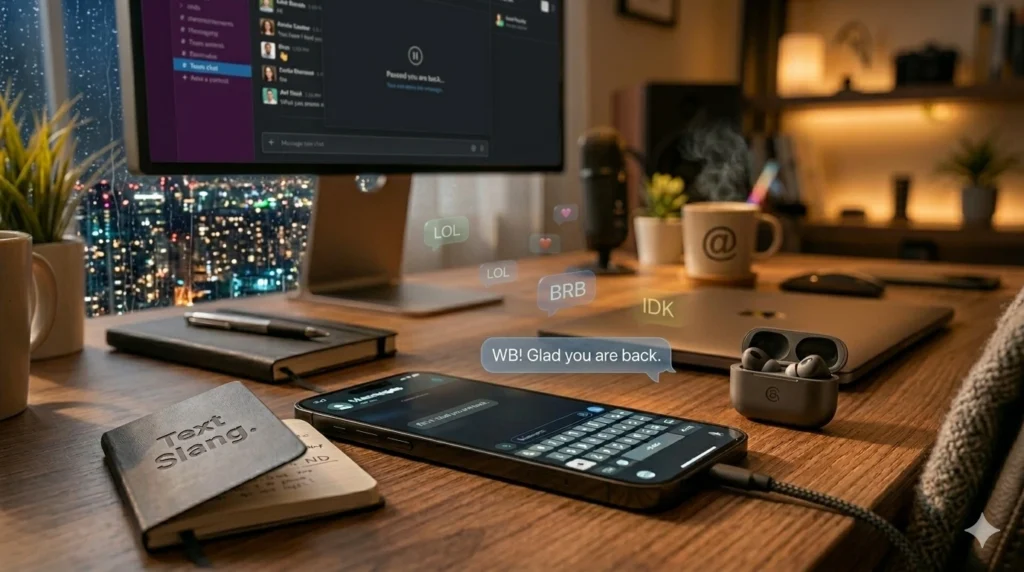
WB in slang stands for “Welcome Back.” It is a short and casual way of greeting someone who returns to a conversation, game, or chat after being away for a…
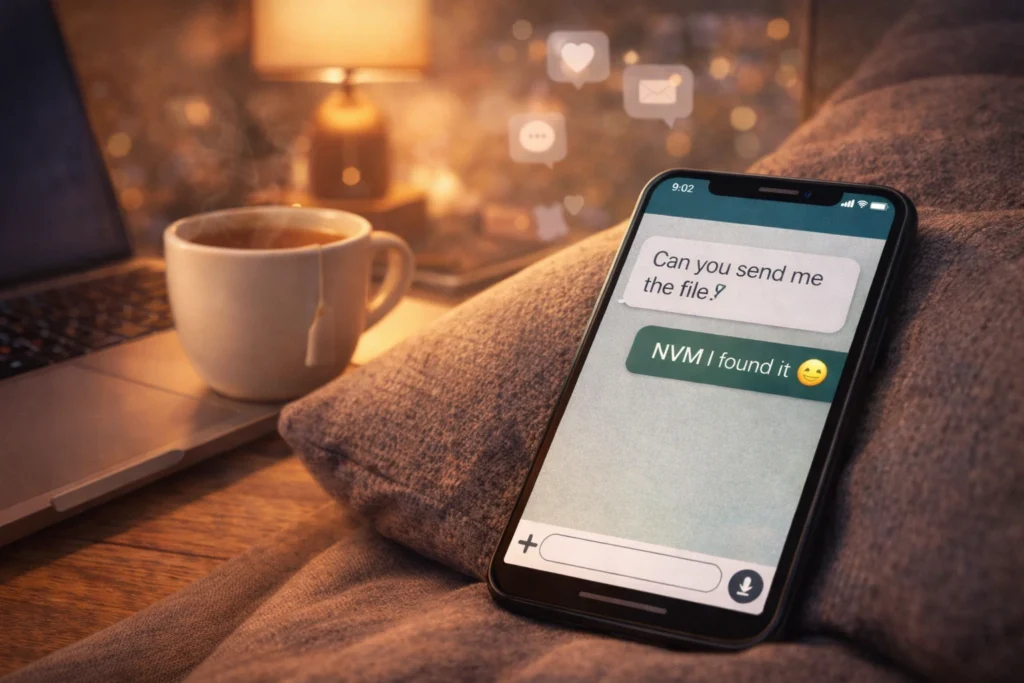
NVM is a texting abbreviation that stands for “Never Mind.” It is used to cancel a question, dismiss a topic, or indicate that something is no longer important.Friend: Did you…
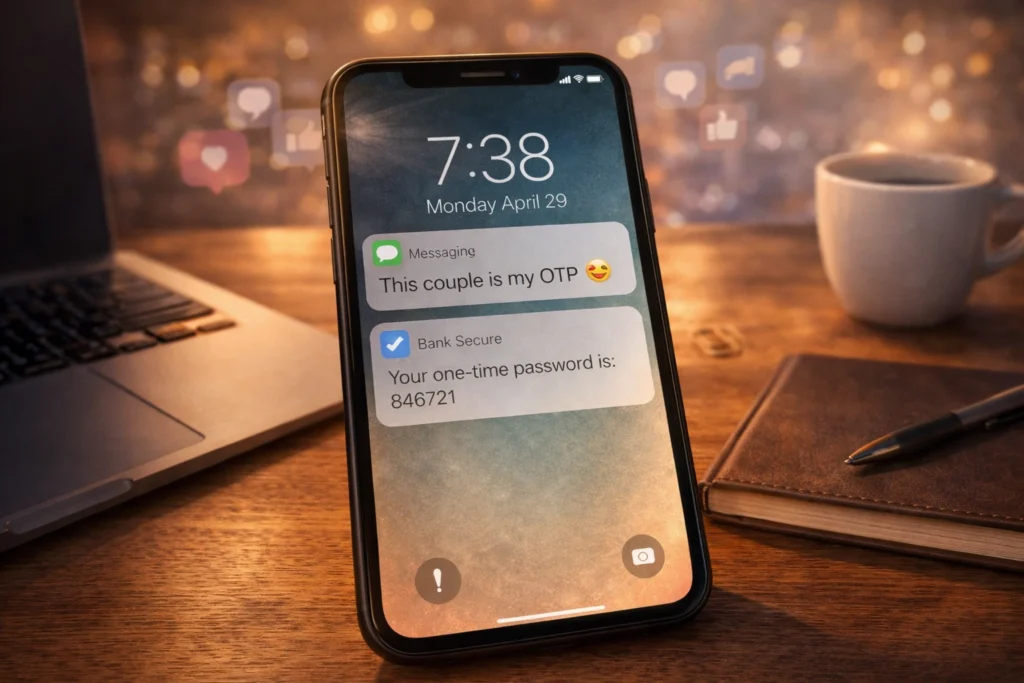
OTP in texting usually stands for "One True Pairing," referring to a couple or characters that someone considers perfect together. In other situations, especially in technology or banking, OTP stands…
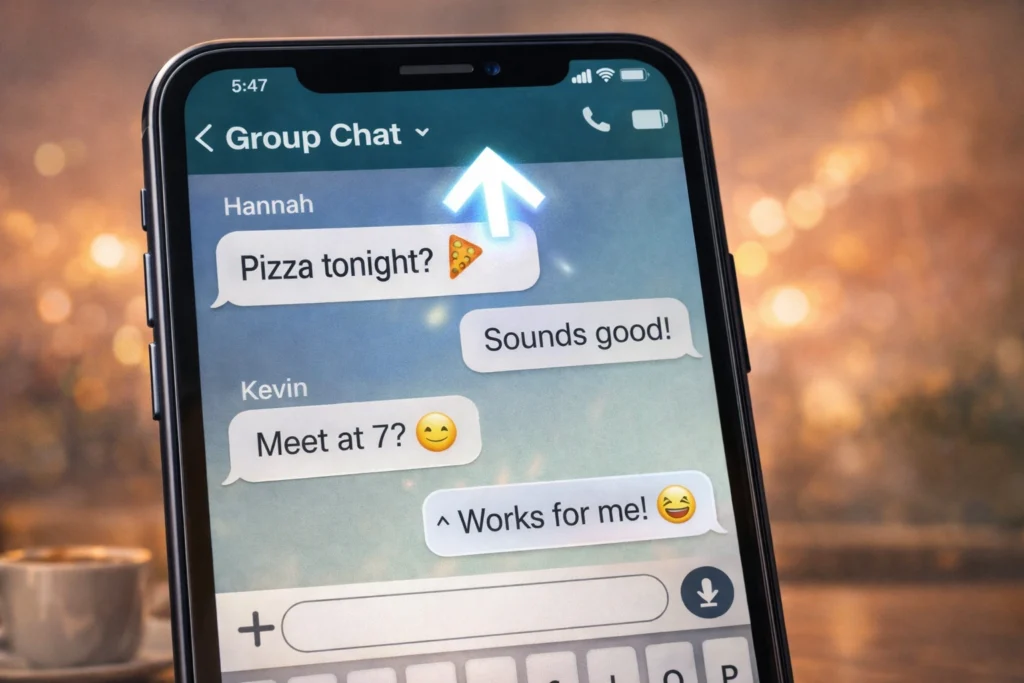
In texting, the caret symbol ^ is used as a pointer to refer to something mentioned earlier in a conversation. It highlights a specific word, phrase, or message above, allowing…
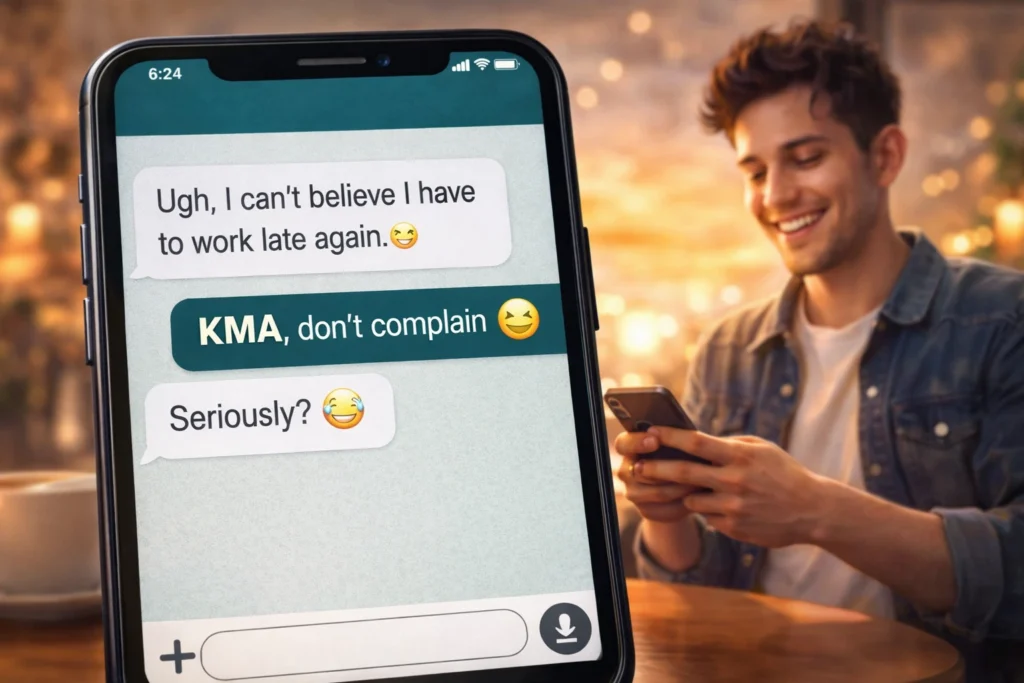
KMA in text messaging stands for Kiss My Ass. It is a slang expression often used to dismiss someone, express frustration, or convey defiance in a blunt or rude manner.…
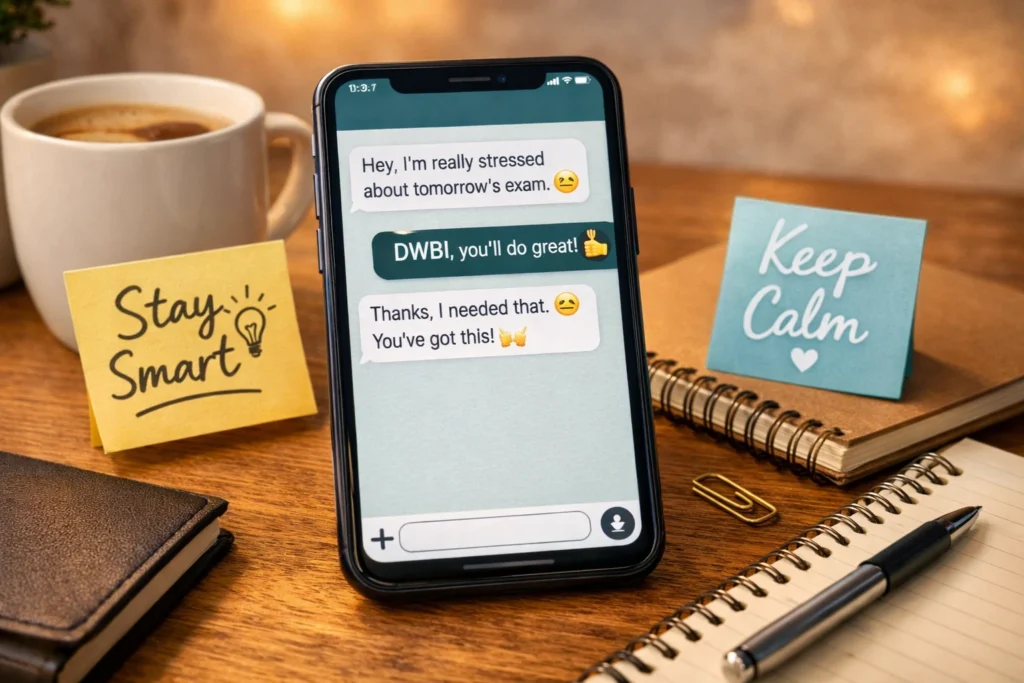
DWBI in text messages stands for Don’t Worry, Be Intelligent. It is commonly used to reassure someone while encouraging thoughtful or smart decision-making. Have you ever been scrolling through your…
GTS in text messaging usually stands for "Go To Sleep." It is a casual shorthand used to suggest that someone should rest or end a conversation. The tone can be…
NM in text means “not much.”People usually write NM when they want to say that nothing interesting or exciting is happening. It is often used as a reply when someone…
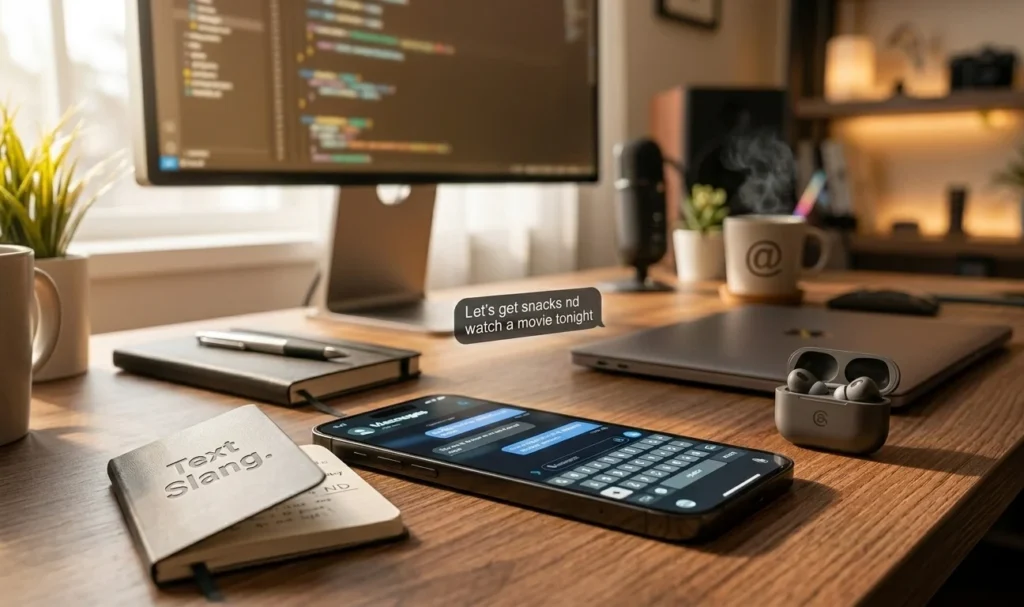
ND in texting means “and.”It is an informal abbreviation people use in text messages, online chats, and social media posts to replace the word and. The purpose is to type…
The symbol @ in texting is usually used to mention someone, direct a message toward a specific person, or represent the word “at.” People commonly place it before a name…