Daima (大魔, 大麻, 大間, or 台間) in Japanese does not have one single fixed meaning.
Its meaning depends on the kanji used and the context. Most commonly, daima refers to something great, powerful, grand, or major, especially in fictional, religious, historical, or technical contexts.
If you have come across the word “daima” in Japanese anime, manga, online discussions, or translations and wondered what it actually means, you are not alone. At first glance, daima looks simple, but in reality, its meaning changes depending on context, kanji, and usage. This makes it both fascinating and slightly confusing for learners of Japanese and pop culture fans alike.
In this complete guide, you will learn exactly what daima means in Japanese, where it comes from, how it is used in real life, and how its meaning shifts across different situations. By the end, you will know when it sounds neutral, respectful, dramatic, or even a bit over the top.
Understanding the Word “Daima” in Japanese
Japanese is a context driven language. Many spoken words share the same pronunciation but carry different meanings depending on how they are written and used. Daima is a perfect example of this.
The pronunciation だいま (daima) can represent several different concepts depending on:
• The kanji characters
• The topic being discussed
• Whether the context is real world, historical, or fictional
• The tone of the speaker
This flexibility is why learners often feel confused when searching for a single definition.
Origin of “Daima” in Japanese
To understand daima, it helps to break it into parts.
The Role of “Dai” (大)
The character 大 (dai) means:
• Big
• Large
• Great
• Major
• Grand
It is widely used in Japanese to emphasize size, importance, or power.
The Role of “Ma” (魔, 麻, 間, etc.)
The second part varies and completely changes the meaning.
| Kanji | Reading | Core Meaning |
|---|---|---|
| 魔 | ma | Demon, evil, magical |
| 麻 | ma | Hemp, cannabis |
| 間 | ma | Space, interval |
| 間 (alt usage) | ma | Room or gap |
Because of this, daima can mean very different things depending on the kanji combination.
Most Common Meanings of Daima
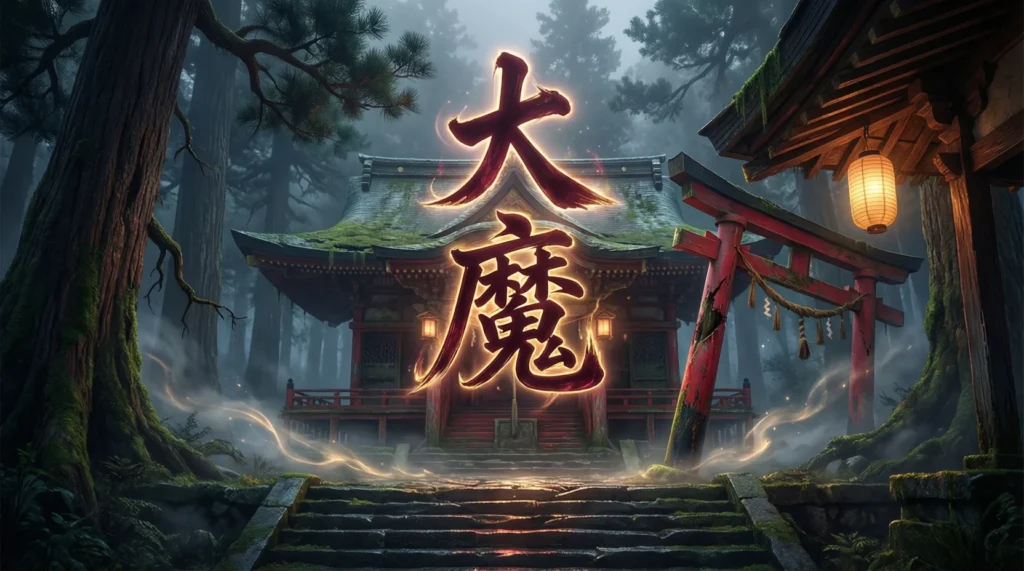
1. Daima (大魔) Great Demon or Powerful Evil Being
This is the most recognizable usage, especially in anime, manga, and fantasy stories.
| Aspect | Explanation |
|---|---|
| Kanji | 大魔 |
| Literal meaning | Great demon |
| Tone | Dramatic, powerful |
| Usage | Fiction, mythology |
Example in context
この城には大魔が眠っている。
There is a great demon sleeping in this castle. 😈
This version of daima sounds intense and mythical. It is not used in daily conversation.
2. Daima (大麻) Hemp or Marijuana
This meaning appears in legal, medical, or news related contexts.
| Aspect | Explanation |
|---|---|
| Kanji | 大麻 |
| Literal meaning | Hemp or cannabis |
| Tone | Neutral, formal |
| Usage | Law, medicine, news |
Example in context
日本では大麻の所持は法律で禁止されています。
In Japan, possession of cannabis is prohibited by law.
This meaning is factual and serious, with no slang or humor implied.
3. Daima as a Prefix Meaning “Major” or “Grand”
Sometimes daima works as a conceptual intensifier rather than a literal noun.
| Usage Type | Example Meaning |
|---|---|
| Religious | Great ritual or spiritual force |
| Historical | Major event |
| Fictional | Ultimate power or boss |
This usage emphasizes importance rather than a literal object.
Real World Usage of Daima
In everyday Japanese conversation, daima is not commonly used casually. You are far more likely to encounter it in:
• Anime and manga
• Fantasy novels
• Religious or mythological texts
• Legal or medical writing
• Formal descriptions
Native speakers usually rely on clearer words like ookii (big) or taisetsu (important) in daily speech.
Tone and Emotional Nuance of Daima
The tone of daima depends heavily on context.
| Context | Tone |
|---|---|
| Anime or fantasy | Dramatic, epic |
| Legal writing | Neutral, serious |
| News reporting | Formal |
| Casual speech | Rare or unnatural |
Using daima casually can sound exaggerated or strange unless you are joking or referencing fiction.
Examples of Daima in Different Tones
Dramatic or Fictional Tone
大魔王が世界を支配しようとしている。
The great demon king is trying to rule the world. 🔥
Neutral or Informational Tone
この植物は大麻として分類されます。
This plant is classified as hemp.
Slightly Playful or Exaggerated Tone
彼は自分を大魔のように語った。
He talked about himself like he was some great demon. 😅
Comparison with Related Japanese Terms
| Term | Meaning | Difference from Daima |
|---|---|---|
| Daiaku (大悪) | Great evil | Moral focus rather than entity |
| Akuma (悪魔) | Demon | More common and direct |
| Maou (魔王) | Demon king | Higher rank than daima |
| Dai (大) | Big, great | Generic prefix |
Daima feels more dramatic and less conversational than these alternatives.
Alternate Meanings and Rare Usages
While uncommon, daima may appear in niche or technical contexts such as:
• Place names using 間 (space or interval)
• Classical texts
• Compound nouns specific to industries
These meanings are rare and usually require context to understand correctly.
Polite and Professional Alternatives
If you want to sound natural and polite, avoid daima unless context demands it.
| Situation | Better Alternative |
|---|---|
| Important task | 重要 (juuyou) |
| Big issue | 大きな問題 (ookina mondai) |
| Serious matter | 深刻 (shinkoku) |
| Powerful enemy | 強敵 (kyouteki) |
These words fit daily conversation much better.
Example Table Showing Kanji Variations
| Written Form | Meaning | Common Context |
|---|---|---|
| 大魔 | Great demon | Anime, fantasy |
| 大麻 | Hemp, cannabis | Law, medicine |
| 大間 | Large space or area | Rare, technical |
| 台間 | Interval or gap | Architecture |
FAQs
1. What does daima literally mean in Japanese?
Daima can have different meanings depending on the kanji used. Most commonly, it refers to something great, powerful, or significant, but its exact meaning changes with context and writing.
2. Is daima a common Japanese word?
No, daima is not commonly used in everyday conversation. It tends to appear more in fiction, classical expressions, or formal writing rather than casual speech.
3. Is daima used in anime and manga?
Yes. Daima often appears in anime and manga, especially when describing powerful demons, villains, or supernatural beings, where dramatic or grand language is preferred.
4. Can daima be used casually?
Not usually. Using daima in casual conversation can sound overly dramatic or unnatural, especially among native speakers in everyday settings.
5. Does daima always mean demon?
No. While it can mean “great demon” when written with certain kanji, daima can also refer to hemp or even space or intervals, depending entirely on the kanji used.
6. Is daima a slang word?
No, daima is not slang. It is considered formal, literary, or stylistic, and is rarely used in informal speech.
7. How do I know which meaning of daima is correct?
Context and kanji are essential. Without seeing the kanji or understanding the situation, the meaning of daima can be ambiguous.
8. What is a safer alternative in polite speech?
In polite or everyday Japanese, it’s better to use words like juuyou (important), ookii (big or significant), or taisetsu (valuable or important) instead of daima.
Conclusion
So, what does daima mean in Japanese? The answer depends entirely on how and where it is used. From powerful demons in fantasy worlds to formal references to hemp in legal language, daima is a layered word that reflects the richness of Japanese vocabulary.
If you encounter daima in anime, literature, or translations, pause and check the context. That single step will help you understand its true meaning every time.
Read More Related Articles:
- Double Chance Meaning in Soccer: How It Works & Smart Betting Strategy (2026)
- What Does DNF Mean in F1: Real-Life Race Examples (2026)
- What Does EMD Mean in Text? Definition, Usage, Examples & Alternatives (2026)

John Miller is a professional meanings writer at Meanzy.com, specializing in word definitions, internet slang, acronyms, and text abbreviations. He focuses on delivering clear, accurate explanations with practical examples, helping readers easily understand modern digital terms and their real-life usage.