
Condensation in the water cycle is the process by which water vapor in the air cools and changes into tiny liquid water droplets, forming clouds, fog, or dew. It occurs when warm air rises, cools, and loses energy, causing water vapor to transform from a gas into a liquid.
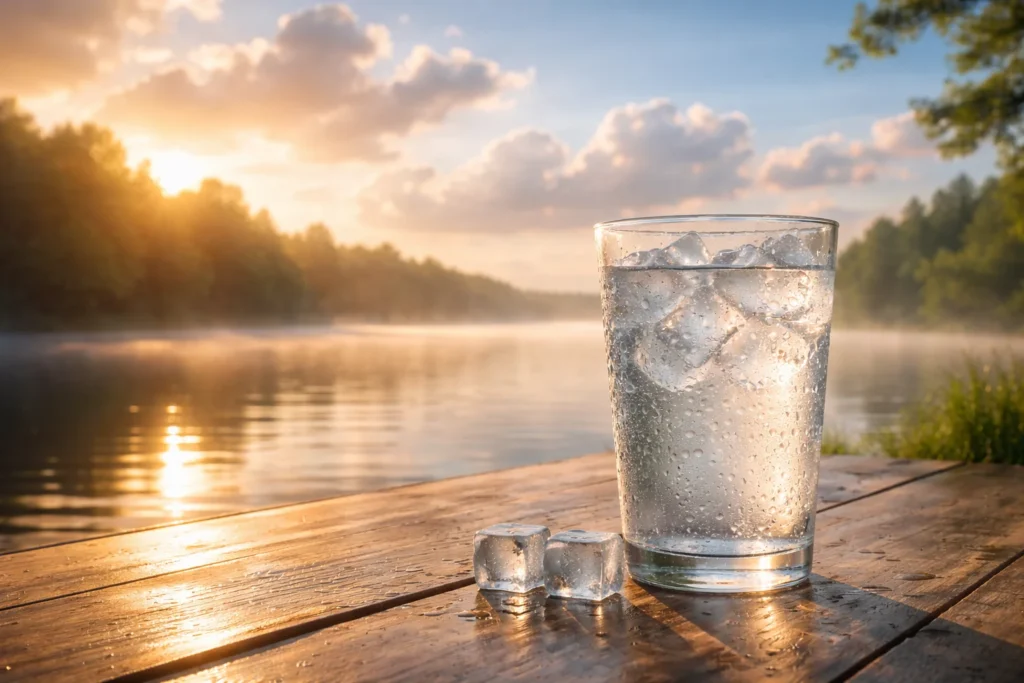
Have you ever noticed water droplets forming on the outside of a cold glass on a hot day? Or wondered how clouds appear in the sky? That magical transformation is called condensation. It is one of the most important steps in the water cycle and plays a powerful role in shaping our weather, climate, and daily life.
In this complete guide, you will learn exactly what condensation means in the water cycle, how it works, why it matters, where it happens, and how it compares to similar processes like evaporation and precipitation. We will also explore real life examples, tone based usage explanations, and answer common questions people search online.
Let us begin.
Understanding the Water Cycle First
Before diving deeper into condensation, it helps to understand the bigger picture.
The water cycle, also known as the hydrologic cycle, describes how water continuously moves between Earth’s surface and the atmosphere. This concept was studied and explained in detail by scientists such as Bernard Palissy, who helped early researchers understand how rainfall is recycled.
The water cycle includes four main stages:
- Evaporation
- Condensation
- Precipitation
- Collection
Condensation is the crucial middle step that turns invisible vapor into visible clouds.
What Does Condensation Mean in the Water Cycle?
Condensation happens when:
• Water vapor rises into the atmosphere
• The air temperature drops
• The vapor cools and changes back into liquid droplets
This process usually occurs high in the atmosphere where temperatures are lower.
When warm air rises, it expands and cools. Cooler air cannot hold as much water vapor. As a result, the vapor turns into tiny water droplets or ice crystals. These droplets group together to form clouds.
Without condensation, there would be no clouds and no rain.
The Science Behind Condensation
To understand condensation clearly, you need to know about states of matter.
Water exists in three forms:
| State of Water | Example | Temperature Condition |
|---|---|---|
| Solid | Ice | Below freezing |
| Liquid | Water | Moderate temperature |
| Gas | Water vapor | Warm conditions |
Condensation is the reverse of evaporation. It is when water changes from gas to liquid.
This process releases heat into the surrounding air, which can influence weather systems. That is why condensation is important not just for rain, but also for storms and climate patterns.
How Condensation Forms Clouds
Cloud formation is one of the most fascinating parts of condensation.
Here is how it works step by step:
- Sun heats oceans, lakes, and rivers.
- Water evaporates into vapor.
- Warm vapor rises into the sky.
- The air becomes cooler at higher altitudes.
- Vapor cools and condenses into droplets.
- Droplets gather and form clouds.
These droplets stick to tiny particles in the air such as dust, salt, or smoke. These particles are called condensation nuclei.
Once the droplets grow heavy enough, they fall as precipitation.
Real Life Examples of Condensation
Condensation does not only happen in the sky. You can observe it around you every day.
Everyday Examples
| Situation | What Is Happening | Type of Example |
|---|---|---|
| Water droplets on a cold glass | Warm air touches cold surface and vapor turns to liquid | Friendly example |
| Morning dew on grass | Overnight cooling causes vapor to condense | Neutral example |
| Fog covering roads | Water vapor condenses near ground level | Neutral example |
| Bathroom mirror after shower | Steam cools and forms droplets | Friendly example |
You can even test condensation at home. Fill a glass with ice water and watch tiny droplets form on the outside. That water did not leak from the glass. It came from the air.
Pretty cool, right? 😊
Origin and Popularity of the Term Condensation
The word condensation comes from the Latin word condensare, meaning to make dense or to compress.
The term became widely used during the development of meteorology and atmospheric science in the 17th and 18th centuries. As scientists began studying cloud formation and rainfall patterns, condensation became a key scientific term.
Today, it is commonly used in:
• Weather reports
• Science textbooks
• Environmental studies
• Climate research
• Everyday conversations
For example:
Friendly tone
Look at the clouds forming. That is condensation happening up there.
Neutral tone
Condensation is responsible for cloud formation in the atmosphere.
Professional tone
Condensation occurs when air reaches its dew point and water vapor transitions into liquid droplets.
Condensation Compared to Related Terms
Many students confuse condensation with evaporation or precipitation. Let us clear that up.
Comparison Table
| Process | Definition | Water State Change | Happens When |
|---|---|---|---|
| Evaporation | Liquid water turns into vapor | Liquid to gas | Water heats up |
| Condensation | Vapor turns into liquid | Gas to liquid | Air cools down |
| Precipitation | Water falls to Earth | Liquid or solid falls | Droplets become heavy |
| Sublimation | Ice turns directly into vapor | Solid to gas | Very cold dry conditions |
Condensation is the bridge between evaporation and precipitation.
- Without evaporation, there would be no vapor.
- Without condensation, there would be no clouds.
- Without precipitation, there would be no rainfall.
Why Condensation Is Important
Condensation plays a major role in Earth’s ecosystem.
Here is why it matters:
• Forms clouds
• Produces rain and snow
• Regulates temperature
• Influences climate patterns
• Supports agriculture
• Maintains freshwater supply
If condensation stopped happening, Earth would become dry and lifeless.
Types of Condensation in Nature
Condensation can appear in different forms depending on conditions.
| Type | Where It Forms | Example |
|---|---|---|
| Clouds | High in atmosphere | Rain clouds |
| Fog | Near ground | Misty morning |
| Dew | On cool surfaces | Grass at sunrise |
| Frost | Below freezing | Ice crystals on windows |
Each of these forms begins with water vapor cooling and turning into liquid or ice.
Alternate Meanings of Condensation
Although we are focusing on the water cycle, condensation can have other meanings.
- In writing, condensation means shortening a text while keeping the main ideas.
- In chemistry, it refers to a reaction where molecules combine and release a small molecule like water.
- In everyday English, it can mean making something more compact or dense.
However, in environmental science, condensation specifically refers to the water vapor to liquid transformation.
Polite or Professional Usage Alternatives
If you are writing academically, you might use:
• Vapor to liquid phase change
• Atmospheric cooling process
• Water vapor transformation
• Gas to liquid transition
In casual conversation, simple wording works best:
The air cooled and the vapor turned into droplets.
Condensation and Weather Patterns
Condensation influences:
• Thunderstorms
• Hurricanes
• Snowstorms
• Climate zones
For example, large storm systems depend heavily on condensation heat release. That released heat strengthens air movement, which can intensify storms.
It is one small process with huge global impact.
How to Explain Condensation to Kids
If you are teaching children, keep it simple.
You can say:
When water in the air gets cold, it turns back into tiny drops. Those drops make clouds and rain.
You can also do a simple experiment with a cold bottle to show droplets forming.
Hands on learning always works better.
FAQs
What does condensation mean in simple words?
Condensation means water vapor in the air cools down and turns into liquid water droplets.
Why is condensation important in the water cycle?
It forms clouds, which later produce rain and snow, helping water return to Earth.
Is condensation the same as precipitation?
No. Condensation forms droplets in the air, while precipitation is when those droplets fall to the ground.
What causes condensation to happen?
Cooling air causes water vapor to lose energy and change into liquid droplets.
Where does condensation occur?
It occurs in the atmosphere, on cool surfaces, and anywhere warm air meets cooler temperatures.
Does condensation release or absorb heat?
Condensation releases heat into the surrounding air.
What is an example of condensation at home?
Water droplets forming on a bathroom mirror after a hot shower.
How is condensation different from evaporation?
Evaporation turns liquid water into vapor, while condensation turns vapor back into liquid.
Conclusion
So, what does condensation mean in the water cycle?
It is the essential process where water vapor cools and transforms into liquid droplets, forming clouds, fog, and dew. Without condensation, there would be no rainfall and no life sustaining water system on Earth.
Understanding condensation helps you understand weather, climate, and environmental science more deeply. It may seem like a small step in the water cycle, but it plays a massive role in maintaining balance on our planet.
Next time you see clouds forming or droplets on a glass, you will know exactly what is happening.
Nature is constantly recycling water, and condensation is the quiet hero of that journey.
Read More Related Articles:
- BFN Meaning in Texts: Is It Friendly or Rude? (2026)
- Retention Mean in School: Deep Dive Into Academic Decisions In 2026
- GMFU in Text Messages: Meaning, Mood and How to Respond (2026)

Rachel Monroe is a digital content writer at Meanzy.com who focuses on explaining modern words, phrases, and online expressions. Her writing style is simple, practical, and reader-focused, helping users quickly understand the meaning and usage of today’s evolving language.