
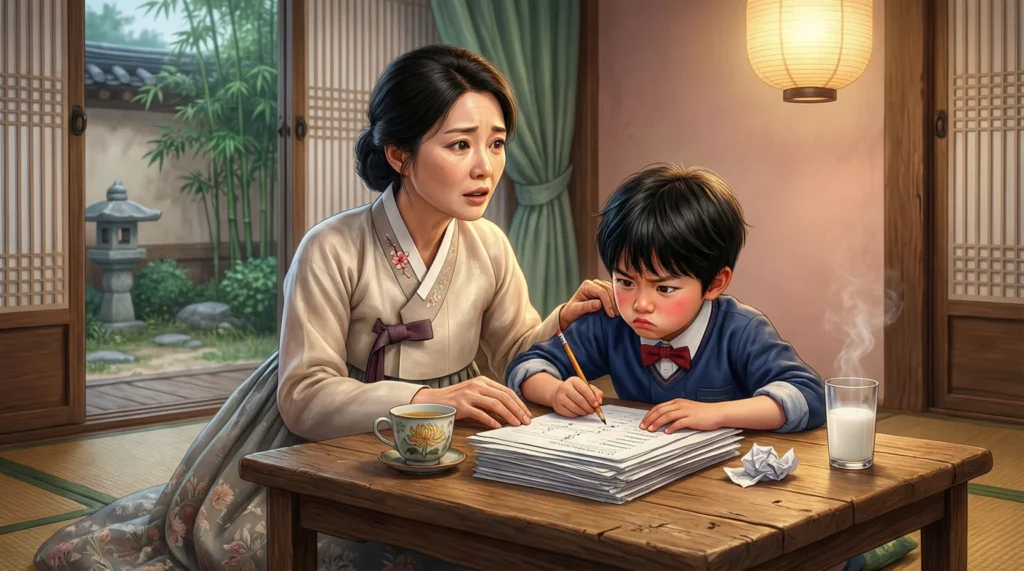
Aigoo (아이구) is a common Korean exclamation used to express emotions such as frustration, concern, sympathy, surprise, or mild annoyance, similar to saying “oh dear,” “oh my,” or “ugh” in English.
Its exact meaning depends heavily on tone and context.
Aigoo is one of those Korean expressions that instantly sounds emotional even if you do not know Korean at all. You hear it in K dramas, variety shows, daily conversations, and even from Korean parents reacting to their kids. It can sound tired, dramatic, caring, annoyed, or sympathetic all at once.
If you have ever wondered what does aigoo mean in Korean, this guide will walk you through everything you need to know. We will cover the meaning, origin, tone, real world usage, comparisons with similar Korean expressions, polite alternatives, examples, tables, FAQs, and practical tips so you can understand it naturally and use it correctly.
What Does Aigoo Mean in Korean?
At its core, aigoo is an emotional reaction word. It does not translate cleanly into one English word because it changes meaning depending on how it is said.
In everyday Korean, aigoo can express
tiredness
concern for someone
gentle scolding
disbelief
resignation
empathy
Think of it as a flexible emotional sound rather than a literal word.
Origin and Background of Aigoo
Aigoo has deep roots in spoken Korean. It comes from traditional expressions used to vocalize emotional reactions before modern slang existed.
Historically, Koreans used exclamations like aigoo to express physical discomfort, emotional pain, or worry. Over time, it became a widely accepted everyday expression across all age groups.
Older Koreans use it more frequently, especially parents and grandparents. Younger people still use it, though often with playful or exaggerated tones influenced by media and pop culture.
Why Aigoo Is So Popular in Korean Culture
Aigoo fits perfectly with Korean communication style, which often emphasizes emotional nuance rather than blunt statements.
Reasons for its popularity include
It softens criticism
It shows empathy without long explanations
It expresses emotion quickly
It sounds natural and human
It works in many situations
You will hear it constantly in dramas because it instantly conveys emotion without dialogue.
How Aigoo Is Used in Real Life
Aigoo is usually spoken, not written. When written online or in subtitles, it is often spelled as aigoo, aigo, or aiguuu to show emphasis.
Common Situations Where Aigoo Is Used
Someone drops something
A parent watches a child struggle
A friend complains about work
Someone looks tired or stressed
A mistake happens
Something surprising occurs
Tone and Meaning Based on Context
The meaning of aigoo changes entirely depending on tone, volume, and facial expression.
Emotional Range of Aigoo
| Tone | Meaning | Example Situation |
|---|---|---|
| Soft and caring | Sympathy or concern | Seeing someone exhausted |
| Long and dramatic | Frustration or tiredness | After a long day |
| Sharp and short | Mild scolding | Child doing something silly |
| Playful | Teasing | Friend being dramatic |
| Resigned | Acceptance | Something unavoidable happens |
Aigoo in Friendly, Neutral, and Negative Contexts
Friendly or Caring Use
This is the most common usage. It shows empathy.
Example
Aigoo, you must be so tired today.
Meaning
I feel sorry for you and care about your situation.
Neutral Observation
Used when noticing something without strong emotion.
Example
Aigoo, it is already late.
Meaning
Oh, time passed faster than expected.
Mildly Negative or Dismissive Use
Used gently to scold or express annoyance, not anger.
Example
Aigoo, why are you like this?
Meaning
You are being silly or troublesome.
Example Sentences with Context
| Korean SentenceRomanizationNatural English Meaning | ||
|---|---|---|
| 아이구 힘들겠다 | Aigoo himdeulgessda | Oh dear, that must be hard |
| 아이구 또 늦었네 | Aigoo tto neujeonne | Oh no, late again |
| 아이구 조심해 | Aigoo josimhae | Careful now |
| 아이구 애쓴다 | Aigoo aesseunda | You are working so hard |
Aigoo in K Dramas and Media
K dramas exaggerate aigoo for emotional effect. You often hear it when
Mothers worry about their children
Characters react to shocking news
Friends comfort each other
Someone makes a foolish mistake
In dramas, aigoo often sounds longer and louder to emphasize feelings.
Is Aigoo Formal or Informal?
Aigoo is informal but not rude. It is acceptable in most casual conversations but should not be used in formal speeches or business presentations.
| Setting | Is Aigoo Appropriate |
|---|---|
| Family conversation | Yes |
| Friends | Yes |
| K dramas | Yes |
| Workplace casual talk | Sometimes |
| Formal meetings | No |
| Professional emails | No |
Polite or Professional Alternatives to Aigoo
If you want to sound more polite or professional, avoid aigoo and use full sentences instead.
Polite Alternatives
| Situation | Polite Korean Expression | Meaning |
|---|---|---|
| Showing concern | 걱정되네요 | I am concerned |
| Expressing surprise | 놀랐어요 | I am surprised |
| Sympathy | 힘드시겠어요 | That must be difficult |
| Mild regret | 아쉽네요 | That is unfortunate |
These expressions are better suited for professional or respectful situations.
Comparison with Similar Korean Expressions
Aigoo is often confused with other Korean exclamations. Here is how they differ.
Aigoo vs Aigo
Aigo is a shortened version of aigoo. It is slightly more casual and often used by younger people.
Aigoo vs Eomeo
Eomeo expresses surprise, often positive or shocked.
Aigoo vs Aish
Aish expresses annoyance or irritation, sometimes stronger than aigoo.
| Expression | Main Emotion | Strength |
|---|---|---|
| Aigoo | Sympathy frustration concern | Mild |
| Aigo | Casual reaction | Mild |
| Eomeo | Surprise | Neutral |
| Aish | Annoyance | Stronger |
Alternate Meanings of Aigoo
Aigoo does not have separate dictionary meanings, but it can feel different emotionally.
It can mean
Oh dear
Oh no
Ugh
Poor thing
Careful
Sigh
The meaning is emotional rather than literal.
How Non Koreans Should Use Aigoo
If you are learning Korean, it is safe to use aigoo in casual conversation. However, tone matters a lot.
Usage Tips
Use it softly
Avoid overusing it
Do not use it sarcastically
Watch how Koreans say it
Avoid formal settings
A poorly timed aigoo can sound awkward or childish.
Aigoo in Written Korean and Online Chats
In texting or subtitles, you may see
aigoo
aigo
아이구우
아이구 ㅋㅋ
Extra letters show stronger emotion. Laughter like ㅋㅋ softens the tone.
Cultural Insight Behind Aigoo
Aigoo reflects Korean emotional communication style. Rather than stating emotions directly, Koreans often express feelings through sounds, tone, and context.
It creates emotional warmth and human connection without long explanations.
Practical Examples in Daily Life
| Situation | Natural Use of Aigoo |
|---|---|
| Friend looks tired | Aigoo, you did not sleep |
| Child falls | Aigoo, are you okay |
| Missed bus | Aigoo, again |
| Heavy workload | Aigoo, this is hard |
FAQs
What does aigoo mean in Korean slang?
In Korean slang, aigoo is an expression used to show emotion such as frustration, sympathy, worry, or mild surprise. It is not vulgar or rude and is commonly used in everyday conversation.
Is aigoo rude?
No, aigoo is not rude. It is informal but generally polite and caring when used in the right context and tone.
Can foreigners say aigoo?
Yes, foreigners can say aigoo. Just be mindful of the situation and your tone, as it should match the emotion you’re trying to express.
Do Koreans use aigoo daily?
Yes, many Koreans use aigoo daily, especially older adults and parents.
Is aigoo used by young people?
Yes, younger people also use aigoo, often in a playful, joking, or exaggerated way.
Is aigoo used in formal Korean?
No, aigoo is not suitable for formal writing, speeches, or professional settings.
Why do moms say aigoo so much?
Mothers often use aigoo because it expresses concern, worry, affection, and sympathy all at once.
Is aigoo the same as “oh my god”?
Not exactly. While both express emotion, aigoo is softer and more emotional, and it is not religious in meaning.
Conclusion:
Aigoo is a small word with big emotional range. It expresses sympathy, frustration, concern, and gentle reaction all in one sound. It is deeply rooted in Korean culture and communication style.
If you remember one thing, remember this
Aigoo is about emotion, not translation.
Use it naturally, softly, and in casual settings. Listen to how Koreans say it and mirror their tone. When used correctly, it makes your Korean sound warmer and more natural.
Read More Related Articles:
- WDP Meaning in Texting: Slang Breakdown with Examples (2026)
- Cher Meaning in French: Definition, Tone, and Everyday Usage In 2026
- OTR Meaning in Texting: How Context Changes Its Tone (2026)

Rachel Monroe is a digital content writer at Meanzy.com who focuses on explaining modern words, phrases, and online expressions. Her writing style is simple, practical, and reader-focused, helping users quickly understand the meaning and usage of today’s evolving language.