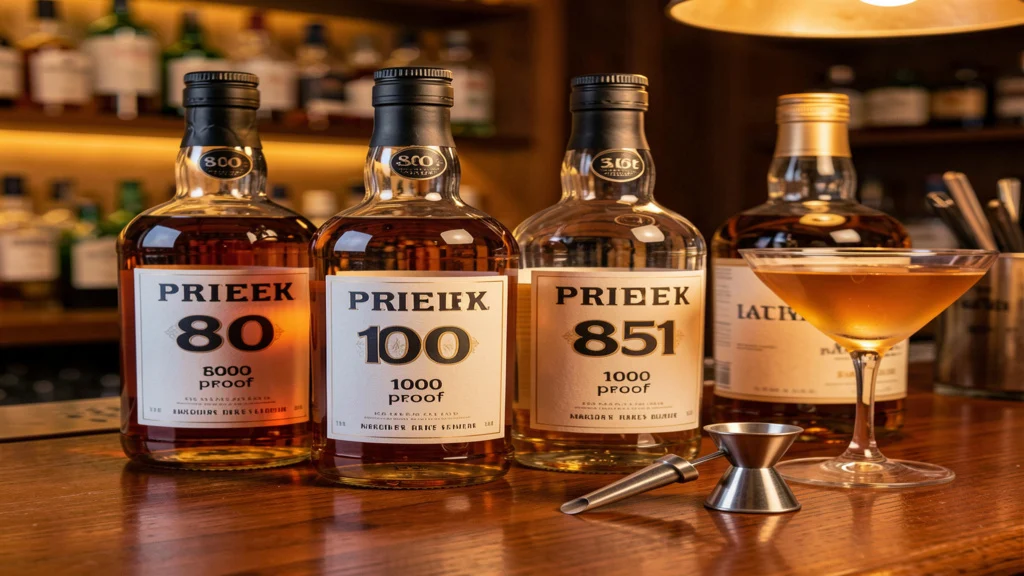
Alcohol proof is a measurement used to describe how strong an alcoholic beverage is. In the United States, the proof number is simply double the percentage of alcohol by volume (ABV).
For example:
40 percent alcohol by volume equals 80 proof
50 percent alcohol by volume equals 100 proof
You wonder to know about What Does the Proof Mean in Alcohol, here are the thoughts. If you have ever picked up a bottle of whiskey, rum, or vodka, you have probably noticed a number labeled “proof.” For example, a bottle might say 80 proof, 100 proof, or even 151 proof. Many people see this label but are not exactly sure what it means.
Understanding alcohol proof is actually quite simple, and it can help you better understand the strength of a drink, how much alcohol it contains, and how it compares to other beverages. Whether you are reading a cocktail recipe, browsing liquor at a store, or just curious about how alcohol is measured, knowing what proof means makes things much clearer.
In this guide, you will learn what alcohol proof means, where the term came from, how it is calculated, and how it affects the strength of your drink. We will also look at examples, comparisons, and common questions people search online about alcohol proof.
In simple terms, the higher the proof, the stronger the alcohol.
Example:
A bottle labeled 80 proof vodka contains 40 percent pure alcohol and 60 percent other ingredients such as water or flavorings.
Understanding What Alcohol Proof Means
Alcohol proof is essentially a strength indicator for distilled spirits such as vodka, whiskey, gin, rum, and tequila. It tells you how much pure alcohol is in the liquid compared to the total volume of the drink.
Here is the basic formula used in the United States:
Alcohol Proof = Alcohol by Volume × 2
This means that if a spirit contains 40 percent alcohol by volume, its proof is 80.
Proof is commonly used on liquor bottles in the United States, while many other countries focus mainly on ABV, which stands for alcohol by volume.
Both numbers describe the same thing, but proof makes it easier for consumers to quickly estimate alcohol strength.
The Origin of the Word “Proof” in Alcohol
The word proof in alcohol has an interesting historical background that dates back several centuries.
In the 1700s, alcohol merchants in England needed a way to prove that the liquor they were selling had not been watered down. At that time, there were no modern tools to measure alcohol concentration, so they used a simple method involving gunpowder.
Here is how it worked:
- A small amount of liquor was mixed with gunpowder.
- The mixture was ignited.
- If the gunpowder burned successfully, the alcohol was considered “proved” to be strong enough.
This became known as “proof spirit.”
If the alcohol content was too low, the gunpowder would not ignite. That meant the alcohol had likely been diluted.
Over time, this concept evolved into the modern measurement system we now call alcohol proof.
How Alcohol Proof Is Calculated
Today, alcohol proof is calculated using precise scientific measurements. The most common system is used in the United States.
Here is how it works:
| Alcohol by Volume (ABV) | Alcohol Proof |
|---|---|
| 20 percent | 40 proof |
| 30 percent | 60 proof |
| 40 percent | 80 proof |
| 50 percent | 100 proof |
| 60 percent | 120 proof |
This simple relationship makes it easy to convert between the two measurements.
For example:
- A whiskey with 45 percent ABV equals 90 proof
- A rum with 75 percent ABV equals 150 proof
Higher proof simply means more alcohol content per volume.
Alcohol Proof Compared to ABV
Although proof is widely used in the United States, many countries use Alcohol by Volume (ABV) instead. Both systems describe alcohol strength but in slightly different ways.
| Measurement | What It Shows | Example |
|---|---|---|
| ABV | Percentage of alcohol in the drink | 40 percent alcohol |
| Proof | Double the ABV measurement in the US | 80 proof |
For example:
A bottle labeled 40 percent ABV will usually also say 80 proof.
Many labels include both numbers so consumers can easily understand the alcohol strength.
Typical Proof Levels of Popular Alcohol Types
Different types of alcohol usually fall within certain proof ranges. This helps consumers understand how strong a drink might be before buying it.
| Type of Alcohol | Typical Proof Range |
|---|---|
| Vodka | 70 to 100 proof |
| Whiskey | 80 to 120 proof |
| Rum | 80 to 151 proof |
| Tequila | 70 to 110 proof |
| Gin | 80 to 100 proof |
Most standard liquors sold in stores are around 80 proof, which equals 40 percent alcohol by volume.
However, some specialty spirits can be much stronger.
What Does High Proof Alcohol Mean?
High proof alcohol refers to beverages with a significantly higher alcohol concentration than typical spirits.
For example:
| Proof Level | Alcohol Strength | Description |
|---|---|---|
| 80 proof | 40 percent alcohol | Standard strength |
| 100 proof | 50 percent alcohol | Stronger than average |
| 120 proof | 60 percent alcohol | Very strong |
| 151 proof | 75.5 percent alcohol | Extremely strong |
These high-proof spirits are often used in cocktails, cooking, or specialty drinks, but they should be consumed carefully because of their strength.
Why Alcohol Proof Matters
Understanding alcohol proof can help people make more informed choices when drinking or purchasing alcohol.
Here are a few reasons why proof is important.
1. It Indicates Strength
Higher proof means the drink contains more alcohol per serving.
2. It Helps With Cocktail Recipes
Many cocktail recipes specify the type or strength of alcohol needed.
3. It Helps With Responsible Drinking
Knowing the strength of alcohol can help people pace themselves and avoid drinking too much too quickly.
4. It Affects Flavor and Burn
High proof alcohol can have a stronger taste and a sharper burning sensation.
Example Situations Where Alcohol Proof Is Mentioned
Alcohol proof appears in many everyday situations involving drinks or bartending.
| Situation | Example Sentence |
|---|---|
| Reading a bottle label | “This whiskey is 100 proof, so it is stronger than the usual 80 proof bottles.” |
| Mixing cocktails | “Use a lower proof vodka so the drink is smoother.” |
| Comparing spirits | “This rum is 151 proof, which makes it much stronger than standard rum.” |
| Learning about alcohol | “Proof simply tells you how strong the alcohol is.” |
Is Higher Proof Always Better?
Not necessarily. Higher proof alcohol is not automatically better or higher quality.
In fact, many people prefer lower proof spirits because they are smoother and easier to drink.
High proof spirits are sometimes preferred for:
- Craft cocktails
- Certain whiskey varieties
- Cooking or baking
- Specialty drinks
The best proof level depends on personal taste and how the alcohol will be used.
Professional and Practical Alternatives to the Word “Proof”
In some contexts, people use other terms instead of proof to describe alcohol strength.
| Term | Meaning |
|---|---|
| Alcohol by volume | Percentage of alcohol in a drink |
| Alcohol content | General description of strength |
| Spirit strength | Used in industry or production |
| Percentage alcohol | Simplified explanation |
These terms are commonly used in education, labeling, and international markets.
Key Takeaways About Alcohol Proof
Alcohol proof is simply a way to measure how strong a drink is. The key points to remember include:
- Proof indicates the strength of an alcoholic beverage.
- In the United States, proof equals twice the alcohol by volume percentage.
- Higher proof drinks contain more alcohol per volume.
- Most standard spirits are around 80 proof or 40 percent ABV.
- Understanding proof helps with responsible drinking and better cocktail preparation.
Knowing what proof means makes it easier to read labels, compare beverages, and understand alcohol strength.
FAQs
What does proof mean in alcohol?
Proof is a measurement used to show the strength of an alcoholic beverage. In the United States, it equals twice the alcohol by volume percentage.
What is 80 proof alcohol?
An 80 proof drink contains 40 percent alcohol by volume, which is the standard strength for many liquors like vodka, rum, and whiskey.
Why is alcohol proof double the ABV?
The system was created to make alcohol strength easier to understand. Doubling the ABV produces a whole number that consumers can quickly compare.
Is higher proof alcohol stronger?
Yes. Higher proof means the drink contains more alcohol per volume, making it stronger.
What is the highest proof alcohol?
Some specialty spirits can reach 150 proof or higher, meaning they contain over 75 percent alcohol.
Do all countries use alcohol proof?
No. Many countries only use ABV percentages, while proof is mainly used in the United States.
Does proof affect taste?
Yes. Higher proof alcohol often tastes stronger and has a more intense burning sensation.
Is proof important for cocktails?
Yes. The proof level can influence flavor balance, strength, and overall drink experience.
Conclusion
The number labeled as proof on a bottle of alcohol may seem confusing at first, but it is actually a simple and useful measurement. Proof tells you how strong the alcohol is and how much pure alcohol is contained within the drink.
The term originated centuries ago when merchants needed a way to prove their liquor had not been diluted. Today, proof is calculated scientifically and is commonly used in the United States to represent alcohol strength.
By understanding alcohol proof, consumers can make more informed decisions about what they drink, compare different spirits easily, and better understand cocktail recipes. Whether you are browsing a liquor store, reading a recipe, or simply curious about alcohol labeling, knowing what proof means helps you navigate the world of spirits with confidence.
Read More Related Articles:
- What Does 13 Mean in the Bible: Spiritual Significance In 2026
- What Does This Symbol Mean in Texting: What This One Really Means In 2026
- What Does Yoked Mean in the Bible: Spiritual Bond or Burden In 2026

Rachel Monroe is a digital content writer at Meanzy.com who focuses on explaining modern words, phrases, and online expressions. Her writing style is simple, practical, and reader-focused, helping users quickly understand the meaning and usage of today’s evolving language.