DOCG in wine stands for “Denominazione di Origine Controllata e Garantita.”
It is the highest official classification for Italian wines, indicating that the wine comes from a specific region and meets strict government regulations for production, quality, and authenticity.Example:
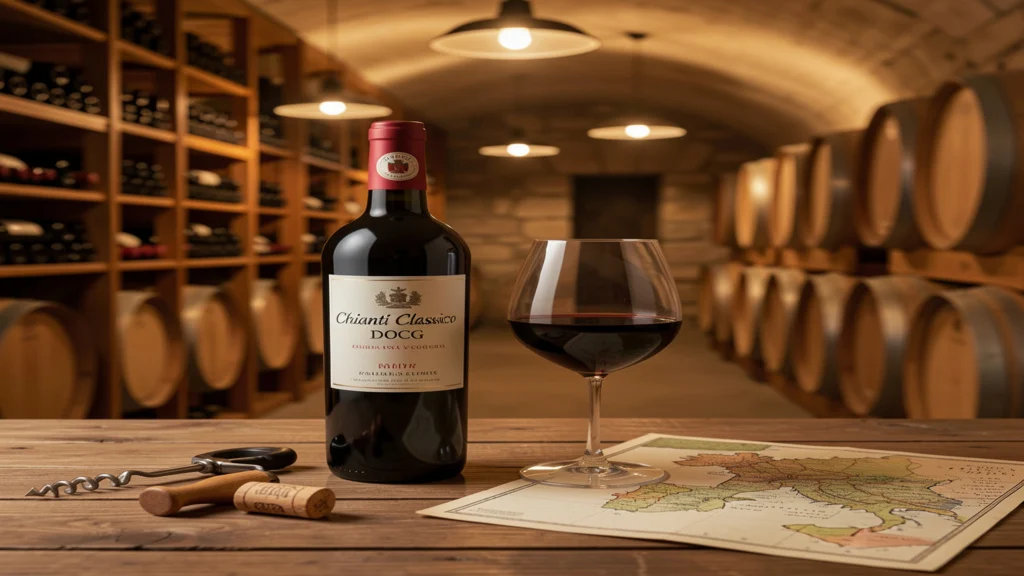
A bottle labeled Chianti Classico DOCG means it was produced in a regulated region and meets strict Italian quality standards.
If you have ever looked closely at a bottle of Italian wine, you might have noticed a small label that says DOCG near the neck of the bottle or on the main label. For many wine drinkers, especially beginners, this abbreviation can be confusing. Is it a type of wine, a brand, or some kind of certification?
In reality, DOCG is one of the most important quality indicators in Italian wine. It tells you that the wine has passed strict production rules and quality checks set by the Italian government. Understanding what DOCG means can help you choose better wines, recognize authentic Italian varieties, and appreciate the craftsmanship behind some of Italy’s most famous bottles.
This guide explains everything you need to know about DOCG. You will learn its meaning, origin, how it works, why it matters for wine quality, and how it compares to other Italian wine classifications.
What Does DOCG Mean in Wine
DOCG is the highest level of wine classification in Italy. The abbreviation represents a certification that guarantees a wine’s origin, production method, and quality.
The full Italian phrase Denominazione di Origine Controllata e Garantita translates to Controlled and Guaranteed Designation of Origin.
This classification means the wine must follow strict rules, including:
• Being produced in a specific geographic region
• Using approved grape varieties
• Following regulated production methods
• Meeting strict aging requirements
• Passing official tasting tests before being sold
In other words, DOCG wines are not just labeled by location. They are also carefully controlled and verified for quality before reaching the market.
Because of this, wines with the DOCG label are often considered among the best and most authentic wines Italy produces.
Origin of the DOCG Classification
Italy introduced the DOCG system in 1980 as an improvement to its existing wine classification structure.
Before DOCG existed, Italian wines were mainly categorized under DOC (Denominazione di Origine Controllata). While DOC already regulated wine production, the Italian government wanted a higher level of certification for exceptional wines with a strong reputation.
DOCG was created to identify wines that had consistently demonstrated high quality over time.
To receive DOCG status, a wine must:
- First be classified as DOC
- Maintain consistent quality for many years
- Meet stricter production regulations
- Pass official tasting panels
The first DOCG wines approved in 1980 included famous Italian wines such as Barolo, Brunello di Montalcino, and Vino Nobile di Montepulciano.
Since then, the number of DOCG wines has grown, but the standards remain extremely strict.
How the DOCG Certification Works
DOCG certification involves multiple levels of regulation and testing.
Every step of the wine’s production is carefully controlled to ensure authenticity and quality.
Production Rules
DOCG wines must follow specific rules about:
• Geographic location of vineyards
• Approved grape varieties
• Maximum yield per hectare
• Alcohol levels
• Aging requirements
• Winemaking techniques
These rules protect the traditional characteristics of each wine.
Quality Testing
Before a DOCG wine can be sold, it must pass two official tests.
- Chemical analysis to confirm proper composition
- Professional tasting panel review
If the wine fails these tests, it cannot be labeled DOCG.
Government Seal
DOCG wines also include a numbered government seal placed across the bottle neck. This seal confirms the wine was inspected and approved.
Table of Italian Wine Classification Levels
Understanding DOCG becomes easier when you see how it fits into Italy’s wine classification system.
| Classification | Meaning | Quality Level |
|---|---|---|
| Vino da Tavola | Table wine with minimal regulation | Basic |
| IGT | Indicazione Geografica Tipica | Regional wine |
| DOC | Denominazione di Origine Controllata | Controlled origin |
| DOCG | Denominazione di Origine Controllata e Garantita | Highest certified quality |
DOCG represents the top tier of this system.
Why DOCG Matters for Wine Lovers
For wine enthusiasts, the DOCG label offers several important benefits.
Guaranteed Origin
The wine must come from a specific geographic region known for producing that type of wine.
Strict Quality Standards
DOCG wines undergo strict testing and regulation before they reach the market.
Preservation of Tradition
The rules help preserve traditional winemaking practices that have existed for generations.
Reliable Quality
Although personal taste always varies, DOCG wines generally maintain a strong reputation for consistency and quality.
For consumers, this means the label can serve as a helpful guide when choosing Italian wine.
Examples of Famous DOCG Wines
Some of Italy’s most celebrated wines carry the DOCG classification.
Here are a few well known examples.
| Wine | Region | Primary Grapes |
|---|---|---|
| Barolo DOCG | Piedmont | Nebbiolo |
| Brunello di Montalcino DOCG | Tuscany | Sangiovese |
| Chianti Classico DOCG | Tuscany | Sangiovese |
| Barbaresco DOCG | Piedmont | Nebbiolo |
| Amarone della Valpolicella DOCG | Veneto | Corvina blend |
Each of these wines is known for its distinctive character and strict production regulations.
Real World Example of DOCG on a Wine Label
When looking at a wine bottle, you might see something like this:
Chianti Classico DOCG
This tells you several things:
Chianti Classico is the specific wine region.
The wine follows regulated production rules.
The wine has passed official quality testing.
The bottle carries the highest classification in Italian wine law.
This small label communicates a lot of information to wine buyers.
Table of DOCG Label Indicators
| Label Element | Meaning |
|---|---|
| DOCG Text | Highest classification level |
| Region Name | Indicates origin of the wine |
| Government Seal | Official approval stamp |
| Vintage Year | Year the grapes were harvested |
| Alcohol Percentage | Required labeling information |
These elements help consumers identify authentic DOCG wines.
DOCG Compared With Other Wine Classifications
DOCG is often compared with other Italian wine categories.
Understanding the differences can help clarify why DOCG wines are considered special.
DOC vs DOCG
DOC wines already follow strict rules, but DOCG wines must meet even higher standards and undergo additional testing.
IGT vs DOCG
IGT wines allow more flexibility in grape varieties and production methods. Some innovative wines fall into this category. DOCG wines prioritize tradition and strict regional guidelines.
Table of Comparison
| Feature | IGT | DOC | DOCG |
|---|---|---|---|
| Regulation Level | Moderate | Strict | Very strict |
| Quality Control | Limited | Controlled | Controlled and guaranteed |
| Testing Panels | No | Sometimes | Always required |
| Government Seal | No | No | Yes |
DOCG clearly represents the most regulated and verified category.
Alternate Meanings of DOCG
Although DOCG almost always refers to the Italian wine classification, it rarely appears in other contexts.
In general usage, DOCG is strongly associated with wine and Italian wine regulations.
Because of this, when you see DOCG on a bottle, it almost certainly refers to the wine classification system.
Professional or Simplified Explanation
If you are explaining DOCG to someone unfamiliar with wine, a simple explanation works well.
Example:
DOCG means the wine comes from a specific region in Italy and meets strict government quality standards.
This simplified explanation captures the core idea without requiring knowledge of Italian terminology.
Practical Tips for Recognizing DOCG Wines
If you want to identify DOCG wines while shopping, keep these tips in mind.
Look for the DOCG label on the bottle.
Check for the official numbered government seal.
Notice the region name included with the classification.
Expect slightly higher prices compared to basic table wines due to stricter production standards.
These small details help confirm authenticity.
Table of Popular DOCG Regions
| Region | Famous Wine |
|---|---|
| Piedmont | Barolo |
| Tuscany | Brunello di Montalcino |
| Veneto | Amarone della Valpolicella |
| Tuscany | Chianti Classico |
| Piedmont | Barbaresco |
These regions produce some of Italy’s most respected wines.
FAQs
What does DOCG mean on a wine bottle?
DOCG means Denominazione di Origine Controllata e Garantita. It indicates that the wine meets the highest Italian standards for origin, production, and quality.
Is DOCG the highest wine classification in Italy?
Yes. DOCG is the top level of Italy’s official wine classification system.
Are DOCG wines always expensive?
Not always. Many DOCG wines are premium products, but some are still affordable depending on the producer and region.
How many DOCG wines exist in Italy?
Italy has dozens of DOCG wines across multiple regions, though the exact number may change as classifications evolve.
What is the difference between DOC and DOCG wine?
DOC wines follow strict production rules, but DOCG wines must meet even higher standards and pass additional testing.
How can I recognize a DOCG bottle?
Look for the DOCG label and the numbered government seal placed around the bottle neck.
Does DOCG guarantee the wine will taste good?
DOCG ensures strict quality standards and authenticity, but taste still depends on personal preference.
Why is DOCG important in Italian wine culture?
It helps preserve traditional winemaking practices while ensuring consumers receive authentic regional wines.
Conclusion
DOCG is one of the most important designations in the world of Italian wine. It stands for Denominazione di Origine Controllata e Garantita, which means a wine’s origin and quality are strictly controlled and guaranteed.
This classification represents the highest level of regulation in Italy’s wine system. Wines labeled DOCG must follow strict rules about grape varieties, production methods, and geographic origin. They must also pass official chemical tests and professional tasting panels before reaching consumers.
For wine lovers, the DOCG label offers reassurance. It signals authenticity, tradition, and consistent quality. While not every DOCG wine will suit every palate, the classification helps guide buyers toward wines with strong reputations and carefully preserved heritage.
Understanding DOCG allows you to appreciate Italian wine on a deeper level and make more informed choices the next time you browse the wine aisle.
Read More Related Articles:
- Number Seven Mean in the Bible: Prophecy & Divine Wisdom In 2026
- What Does NFS Mean in Wizz: What It Signals in Online Chats In 2026
- What Does OTP Mean in a Text: The Slang Everyone Is Using In 2026

Megan Foster is a thoughtful and creative content creator at Meanzy.com with a strong curiosity for language and communication. Known for her clarity and attention to detail, she simplifies confusing slang, acronyms, and modern terms into easy, relatable meanings readers can trust.