
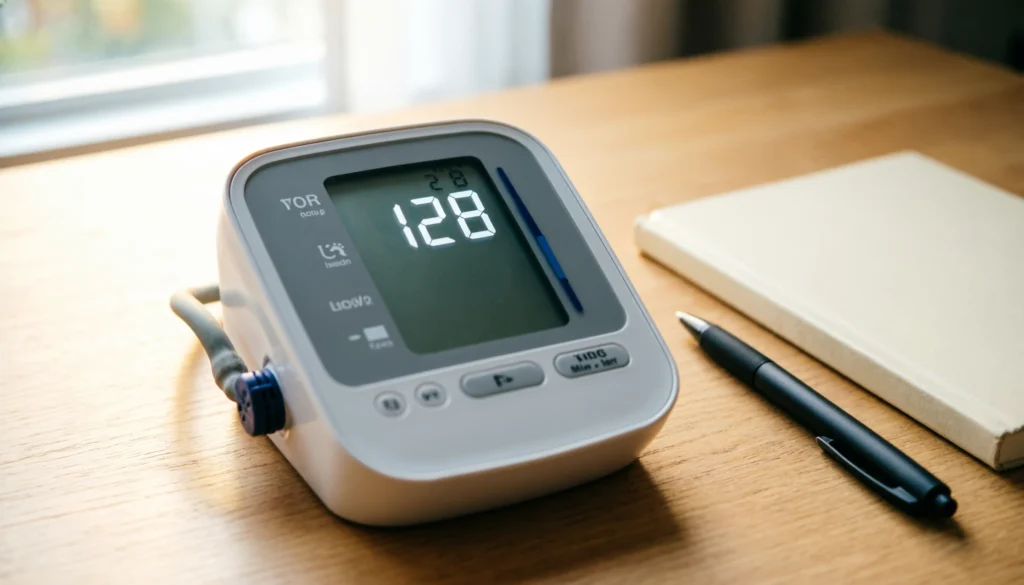
The top number in a blood pressure reading is called systolic pressure. It measures the force of blood pushing against your artery walls when your heart beats and pumps blood through your body.
If you have ever looked at a blood pressure reading like 120 over 80 and wondered what the top number actually means, you are not alone. Millions of people check their blood pressure at home or hear it during a doctor’s visit but are unsure what each number represents.
In simple words, the top number tells you how much pressure your blood is creating at the exact moment your heart contracts.
Understanding this number is important because consistently high systolic pressure can increase your risk of heart disease, stroke, and other health problems.
Let’s break it down in a clear, friendly, and practical way so you fully understand what the top number means and why it matters.
Understanding Blood Pressure Basics
Before diving deeper, it helps to know how blood pressure works.
Blood pressure is measured in millimeters of mercury and written as two numbers, such as 120 over 80.
These two numbers represent:
• The top number, called systolic pressure
• The bottom number, called diastolic pressure
The term systolic comes from the medical concept of systole, which refers to the phase when the heart muscle contracts and pumps blood.
Blood pressure readings are commonly measured using a device called a sphygmomanometer, first introduced in the late 19th century. The modern understanding of systolic and diastolic pressure developed alongside advances in cardiovascular research in the early 1900s.
Today, health organizations such as the American Heart Association and the World Health Organization use systolic pressure as a major indicator when defining hypertension.
What Does the Top Number Mean in Blood Pressure?
The top number measures:
• The pressure inside your arteries when your heart beats
• The maximum pressure during the heartbeat cycle
• How hard your heart is working to push blood
Think of your heart as a pump. Every time it squeezes, it sends blood through your arteries. That squeezing action creates pressure. The top number captures that exact force.
For example:
If your blood pressure is 120 over 80
120 is the systolic pressure
80 is the diastolic pressure
So if someone says, “Your systolic is 140,” they are referring to the top number.
Why Is the Top Number So Important?
For many years, doctors focused more on the bottom number. However, research now shows that the top number is often a stronger predictor of heart disease, especially in adults over 50.
High systolic pressure can:
• Damage artery walls
• Increase the risk of stroke
• Raise the risk of heart attack
• Strain the heart muscle
In fact, isolated systolic hypertension, where only the top number is high, is one of the most common forms of high blood pressure in older adults.
Blood Pressure Categories Explained
Here is a helpful table showing how the top number fits into blood pressure categories.
Table 1: Blood Pressure Categories Based on Systolic (Top Number)
| Category | Top Number (Systolic) | Bottom Number (Diastolic) |
|---|---|---|
| Normal | Less than 120 | Less than 80 |
| Elevated | 120 to 129 | Less than 80 |
| High Blood Pressure Stage 1 | 130 to 139 | 80 to 89 |
| High Blood Pressure Stage 2 | 140 or higher | 90 or higher |
| Hypertensive Crisis | Over 180 | Over 120 |
Notice that even if your bottom number is normal, a high top number can still put you in a higher category.
Real World Usage and Context
You might hear the top number discussed in different settings. Here are some examples with tone and context.
Friendly tone
“Your top number is a little high today. Let’s monitor it for a few weeks.”
Neutral clinical tone
“The patient presents with systolic blood pressure of 150 mmHg.”
Concerned tone
“Your systolic pressure is consistently above 140. We need to address this.”
Dismissive tone
“It’s just the top number. It’s fine.”
This statement is not medically accurate because the top number absolutely matters.
Understanding tone helps you interpret how seriously your provider views your reading.
What Causes the Top Number to Rise?
Several factors can increase systolic pressure:
• Stress or anxiety
• Lack of sleep
• High salt intake
• Obesity
• Smoking
• Aging
• Artery stiffness
• Lack of exercise
Temporary increases can happen during exercise or emotional stress. That is normal.
However, consistently high readings require medical attention.
Table 2: Common Factors Affecting the Top Number
| Factor | Temporary or Long Term | How It Affects Systolic Pressure |
|---|---|---|
| Exercise | Temporary | Raises it briefly |
| Stress | Temporary or Long Term | Can spike pressure |
| High sodium diet | Long Term | Causes fluid retention |
| Aging | Long Term | Stiffens arteries |
| Smoking | Long Term | Damages artery walls |
| Poor sleep | Both | Increases cardiovascular strain |
Comparison: Top Number vs Bottom Number
It helps to compare the two numbers to fully understand their roles.
Table 3: Systolic vs Diastolic Comparison
| Feature | Systolic (Top Number) | Diastolic (Bottom Number) |
|---|---|---|
| When it is measured | During heart beat | Between heart beats |
| What it represents | Maximum pressure | Resting pressure |
| Higher risk in older adults | Yes | Less common |
| Common issue | Isolated systolic hypertension | Combined hypertension |
In simple terms:
Systolic equals pressure when heart squeezes
Diastolic equals pressure when heart relaxes
Both matter, but the top number often becomes more significant with age.
Isolated Systolic Hypertension
This condition occurs when:
Top number is 130 or higher
Bottom number remains below 80
It is especially common in older adults because arteries naturally stiffen over time.
Doctors take this seriously because it increases stroke risk even if the bottom number is normal.
Alternate Meanings of the Top Number
In everyday life, the phrase “top number” might simply mean the first number in any pair of numbers. However, in medical contexts, it specifically refers to systolic blood pressure.
There are no major alternate medical meanings beyond systolic pressure.
Professional and Polite Ways to Discuss It
Instead of saying
“Your top number is bad.”
A more professional approach would be
“Your systolic blood pressure is elevated, and we should monitor it.”
Or
“Your systolic reading is slightly above the normal range.”
Using correct terminology sounds clearer and more respectful.
How to Keep the Top Number in a Healthy Range
Here are evidence based strategies:
• Reduce salt intake
• Exercise at least 30 minutes most days
• Maintain a healthy weight
• Limit alcohol
• Stop smoking
• Manage stress
• Get quality sleep
• Follow prescribed medications
Small daily changes can significantly improve systolic readings.
FAQs
What does the top number in blood pressure measure exactly?
It measures the pressure inside your arteries at the moment your heart contracts and pumps blood. It reflects how forcefully blood is being pushed through your circulatory system.
Is the top number more important than the bottom number?
Both numbers matter, but research shows the top number is often a stronger predictor of heart disease risk, especially in adults over 50.
What is a normal top number for blood pressure?
A normal systolic reading is less than 120 mmHg.
What happens if only the top number is high?
This is called isolated systolic hypertension. It still increases the risk of heart attack and stroke and should be evaluated by a healthcare provider.
Can stress temporarily raise the top number?
Yes. Stress, anxiety, and physical activity can temporarily increase systolic pressure. It usually returns to normal once the stress passes.
Why does systolic pressure increase with age?
Arteries naturally become stiffer as we age, which increases pressure during heartbeats.
How can I lower my top blood pressure number quickly?
Short term methods include deep breathing, sitting quietly, and avoiding caffeine. Long term improvement requires lifestyle changes and sometimes medication.
Is 140 a dangerous top number?
A consistent systolic reading of 140 or higher is considered high blood pressure stage 2 and increases cardiovascular risk. It requires medical evaluation.
Conclusion
So, what does the top number mean in blood pressure?
It represents the force of blood against your artery walls when your heart beats. This systolic pressure is a key indicator of heart health and plays a major role in diagnosing high blood pressure.
A healthy top number is usually below 120. Readings above 130 may indicate elevated or high blood pressure depending on the range. Even if your bottom number looks fine, a high top number should never be ignored.
The good news is that systolic pressure often responds well to lifestyle improvements. Regular exercise, healthy eating, stress management, and medical guidance can help keep it within a safe range.
Understanding your numbers empowers you to take control of your health.
Read More Related Articles:
- “Chow” Mean in Italian: Language, Culture and History In 2026
- Cher Meaning in French: Definition, Tone, and Everyday Usage In 2026
- WD Meaning in Golf : What It Means When a Player Withdraws In 2026

Rachel Monroe is a digital content writer at Meanzy.com who focuses on explaining modern words, phrases, and online expressions. Her writing style is simple, practical, and reader-focused, helping users quickly understand the meaning and usage of today’s evolving language.